Ten Champagnes, ranked by my own score — from Krug to supermarket bottles
From Krug Grande Cuvée to a non-vintage hypermarket bottle, ten Champagnes noted on this magazine, ranked by one consistent yardstick — my own score out of 5 — and lined up against Vivino averages and Wine-Searcher world averages.
Why one person's consistent scale is useful
Every critic uses a different scale, and Vivino's average blends the taste of tens of thousands of people into something blunt. This piece does the opposite — it collects only the scores from one person, me, judged on the same standard each time. It isn't an absolute certification of quality; it's a record of how these bottles line up when they're all placed on the same scale.
When I pick a Champagne, I look at three things. First, house style — whether it's a weighty type like Krug or Bollinger, or a brighter one like Taittinger or Veuve Clicquot. Second, whether it's non-vintage or a single vintage (millésime) — a millésime shows more of that year's grape character. Third, in place of the Korean retail price this magazine doesn't publish, the Wine-Searcher world average. These ten bottles span from US$12 (hypermarket Moscato territory) to US$281 (Krug), and price and my score didn't always move together.
Comparison table — by score
| Bottle | My score | Vivino avg | World avg US$ | One line |
|---|---|---|---|---|
| Krug Grande Cuvée (NV) | 5.0 | 4.6 | US$281 | Drunk six times, scored 4.5+ all six |
| Dom Pérignon Brut 2008 | 5.0 | 4.6 | Not disclosed | My first 5-star Champagne, a really long finish |
| Delamotte Brut Le Mesnil-sur-Oger (NV) | 4.5 | 3.9 | US$54 | A crisp, snapping toast note that feels great |
| Charles Dauteuil Blanc de Blancs Grand Cru (NV) | 4.5 | 3.9 | Unconfirmed | "Pear, honey, excellent" — a three-word note |
| Veuve Clicquot Yellow Label (NV) | 4.5 | 4.3 | US$60–75 | Among the best-selling Champagnes in the world |
| Louis Roederer Brut Premier (NV, discontinued) | 4.0 | 4.2 | US$66 | Good as a party welcome drink |
| Taittinger Brut Réserve (NV) | 4.0 | 4.2 | US$53 | Plenty of bubbles, crisp on the palate |
| Charles Clément Brut Rosé (NV) | 4.0 | 3.9 | US$35 | Fruit-forward enough to be mistaken for Moscato |
| Moët & Chandon Impérial Rosé Brut (NV) | 3.5 | 4.1 | US$61 | The only bottle here scoring below its average |
| Deutz Brut Classic (NV) | 3.0 | 4.1 | US$56 | "Barely any bubbles" |
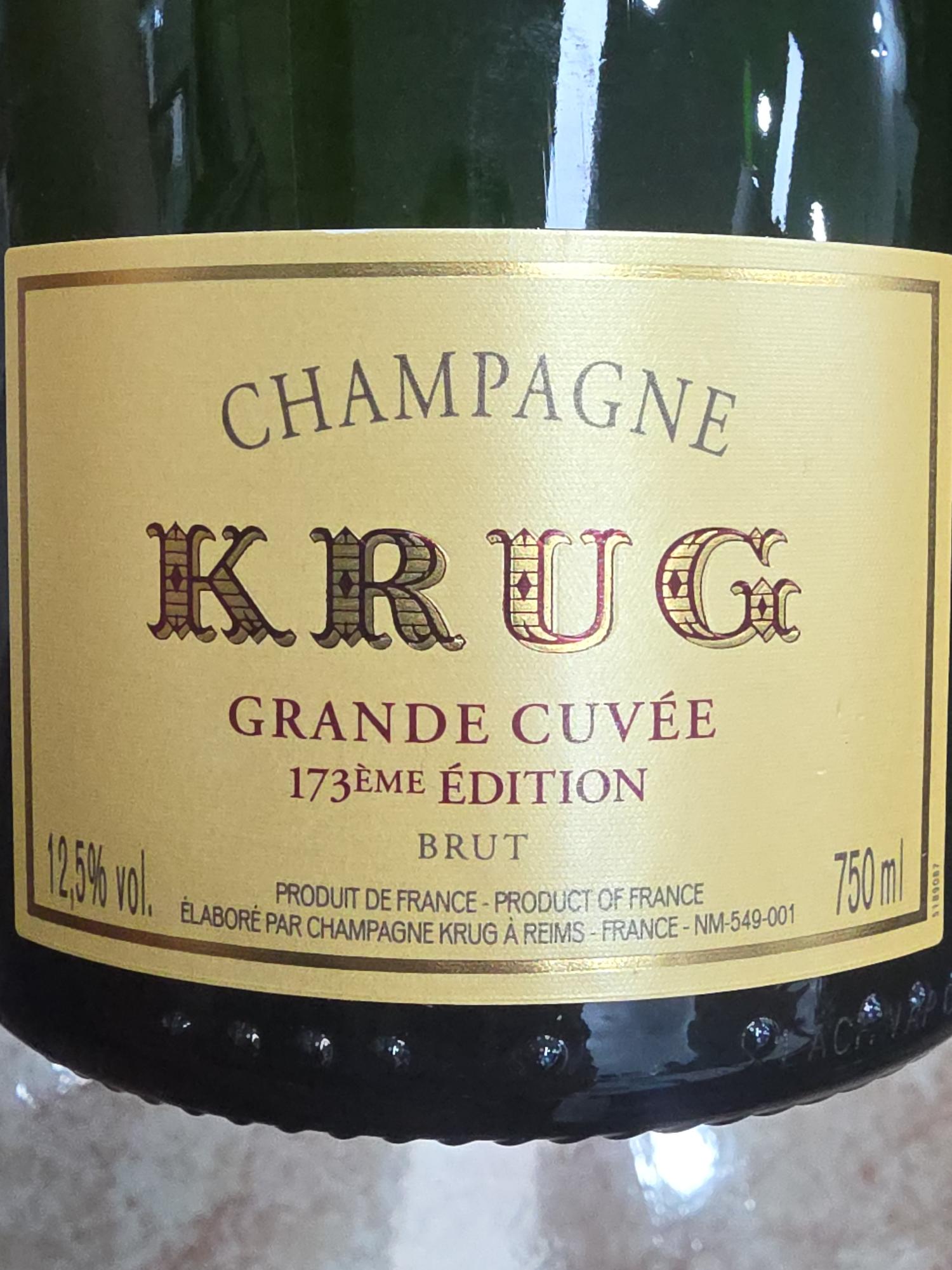
1. Krug Grande Cuvée — my favorite
Founded by a butcher's son from Mainz, Germany, who set up house in Reims in 1843, Krug is said to reblend roughly ten vintages and some 120 individual wines every year in pursuit of "Krug character" over "vintage character." My note is short — "always delicious. My favorite." The Vivino community average across 39,670 raters is 4.6; I've scored it 4.5 or higher all six times I've drunk it. See the note
2. Dom Pérignon Brut 2008 — my first perfect score in Champagne
Cellar master Richard Geoffroy reportedly called this his "miracle vintage," the first since 1990 to land an exact 50:50 Chardonnay-Pinot Noir split. My note reads: "apple, pineapple, tropical fruit, guava, plum. A lot of carbonation, and a really long finish." The Vivino average across 20,177 raters of the 2008 vintage is 4.6, matching my 5.0 — the first Champagne in this magazine to earn a perfect score from me. See the note
3. Delamotte Brut Le Mesnil-sur-Oger — Salon's little sibling
Under the same roof as the famous Salon since 1988, and reportedly the house that receives the Côte des Blancs fruit whenever Salon decides a year doesn't merit a vintage. My note reads: "that crisp, snapping toast feeling on the palate makes for a really pleasant Champagne." The Vivino average of 3.9 across 14,308 raters sits 0.6 below my score of 4.5. See the note
4. Charles Dauteuil Blanc de Blancs Grand Cru — a thinly documented Champagne
A retail-chain label with no producer website and only 400 Vivino ratings, hard to trace back to a full story. Even so, my note runs three words — "pear, honey, excellent" — for a score of 4.5, matching Veuve Clicquot Yellow Label. The Vivino average is 3.9. Wine-Searcher has no world average listed for it, so this piece leaves its price uncompared. See the note
5. Veuve Clicquot Yellow Label — among the best-selling Champagnes on earth
With close to 150,000 ratings on Vivino, this is one of the best-selling non-vintage Champagnes in the world. My note reads simply "when you're drinking good Champagne," alongside a score of 4.5 — recorded the same stretch when I gave Dom Pérignon 2008 a 5.0 just six days earlier. The Vivino average across 149,289 raters is 4.3, 0.2 below my score. See the note
6. Louis Roederer Brut Premier — a cuvée that no longer exists
The non-vintage entry cuvée from the house that made the transparent "Cristal" bottle for Tsar Alexander II in 1876, reportedly discontinued in 2021 when it was replaced by Collection 242. My note calls it "good as a party welcome drink, solid-quality Brut," for a score of 4.0. The Vivino average across 56,223 raters is 4.2, slightly above my score. See the note
7. Taittinger Brut Réserve — the Champagne 007 picked
The non-vintage Brut from the house reportedly featured when Ian Fleming's 007 settled on Taittinger in the novel Casino Royale (1953). My note reads: "plenty of bubbles, popping and receding on the palate." A crisp Champagne, in short. The gap between the Vivino average of 4.2 (57,690 raters) and my 4.0 is small. See the note
8. Charles Clément Brut Rosé — mistaken for Moscato
A cooperative house founded in 1956 by 22 growers in the Côte des Bar (Aube). The non-vintage rosé had fruit so forward that my note reads: "my wife, drinking it with me, asked 'wait, isn't this a Moscato??'" The Vivino average across 276 raters is 3.9, slightly below my 4.0. See the note
9. Moët & Chandon Impérial Rosé Brut — the one exception on this list
The standard rosé from the world's largest Champagne house, sitting below the prestige tier occupied by Dom Pérignon. My note is three words: "pear, toast, a bit of cherry." The Vivino average across 32,773 raters is 4.1, while my score is 3.5 — the only one of these ten where I scored below the community average. Against Veuve Clicquot (4.5), Dom Pérignon (5.0) and Charles Dauteuil (4.5) from around the same period, it's also the lowest-scoring Champagne in this magazine. See the note
10. Deutz Brut Classic — a bottle short on bubbles
Founded in Aÿ by two Prussian immigrants in 1838, the house reportedly spent fifty years recovering after the 1911 Champagne riots destroyed its headquarters and stock. My note here is a bit deflated: "barely any bubbles — is that normal??" I'd heard Madonna loved this one and expected something flashier. I scored it 3.0. The Vivino average across 36,044 raters is 4.1 — the widest gap (1.1 points) between my score and the community average of any bottle on this list. See the note
So what should you buy
For a celebration. Krug Grande Cuvée or Dom Pérignon 2008, the two 5.0s on this list, are the safest picks. Both carry a good story for a special occasion — a "miracle vintage" narrative or a record of repeated 4.5+ tastings.
For value. Charles Clément Brut Rosé, at a US$35 world average, scored 4.0 and is the lowest-priced bottle here to clear that bar. The thinly documented Charles Dauteuil Grand Cru scored even higher (4.5), though its price couldn't be confirmed.
As a gift. Veuve Clicquot Yellow Label is recognizable almost anywhere in the world, so it's unlikely to feel unfamiliar to whoever receives it. A 4.5 score backs that up.
For everyday drinking. Louis Roederer Brut Premier and Taittinger Brut Réserve, where my score and the Vivino average land close together, are predictable choices — though Roederer's cuvée is now discontinued, so you'd be looking for its successor in the Collection series.
Wines in this story
Krug, Grande Cuvée (NV)
A house founded in 1843 in Reims by a butcher's son from Mainz, Germany. Every year it reblends ten-odd vintages and 120-odd individual wines to make not "the taste of that year" but "the taste of Krug." Vivino: 39,670 ratings averaging 4.6. My own score is 5.0 — I've drunk it six times, and never below 4.5.
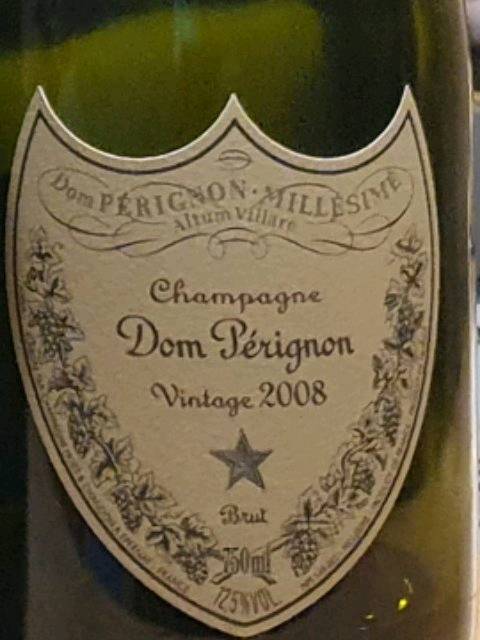
Dom Pérignon Vintage 2008
The vintage Richard Geoffroy called a 'miracle year' — the first 50:50 Chardonnay–Pinot Noir blend since 1990. My first five-star Champagne. Twenty-two critics average 96 points; the world average price is about ₩720,000.
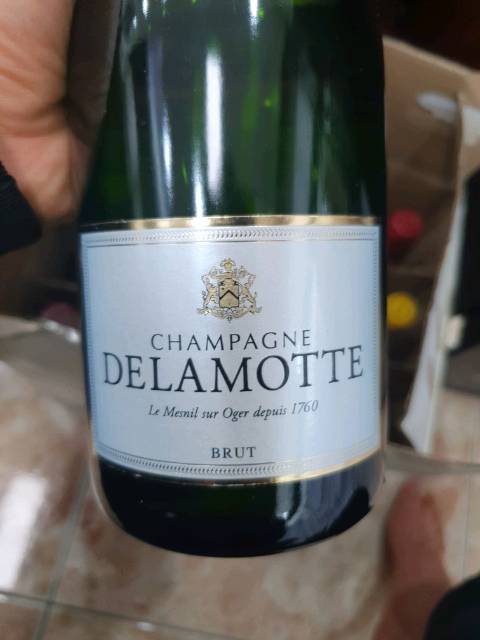
Delamotte, Brut Champagne Grand Cru 'Le Mesnil-sur-Oger' (NV)
Founded in Reims in 1760, the sixth-oldest house in Champagne. Since 1988 it has shared a roof with Salon as the "younger sibling" house — grapes Salon declares not vintage-worthy flow into Delamotte instead. Vivino: 14,308 ratings averaging 3.9. I gave it 4.5 — "the crisp, crackling toast feel in the mouth makes for a really pleasant Champagne."
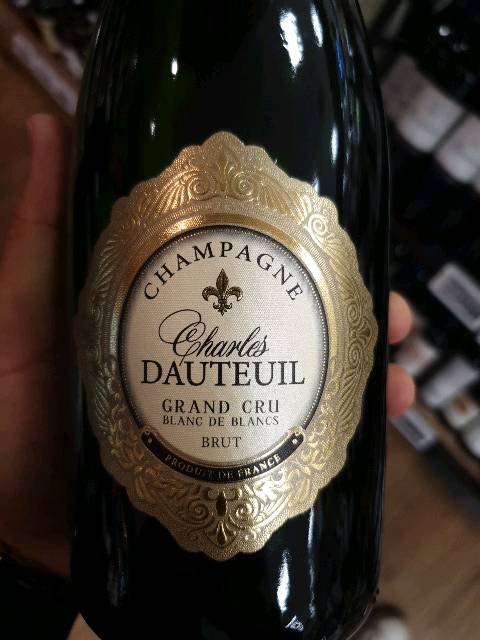
Charles Dauteuil Blanc de Blancs Brut Grand Cru NV
400 Vivino ratings, no critic scores, no producer website — and I gave it the same 4.5 as Veuve Clicquot. 'Pear honey great.' I went looking for who is actually behind this label.
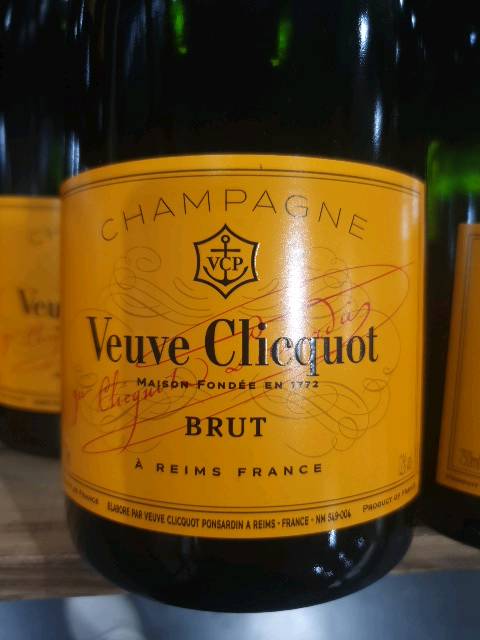
Veuve Clicquot Brut Yellow Label (Carte Jaune) NV
150,000 Vivino ratings, average 4.3. I gave one of the world's best-selling Champagnes 4.5 — six days after giving Dom Pérignon 2008 a 5.
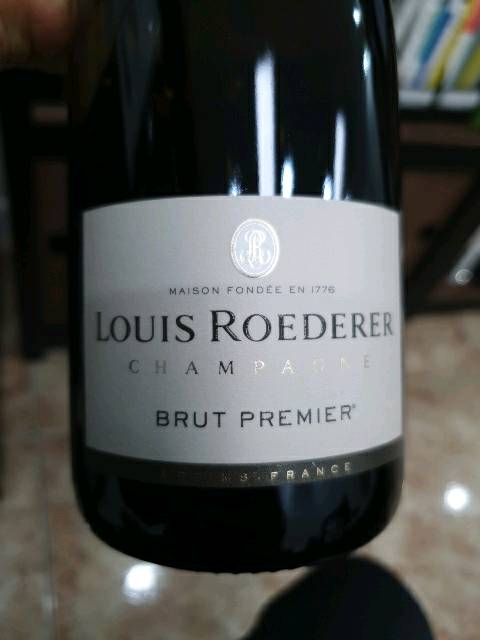
Louis Roederer, Brut Premier (NV)
The everyday non-vintage cuvée from the house that made a clear glass "Cristal" bottle for Tsar Alexander II in 1876. Discontinued in 2021 and replaced by Collection 242. Vivino: 56,223 ratings averaging 4.2. I drank it as a welcome drink at a party and gave it 4.
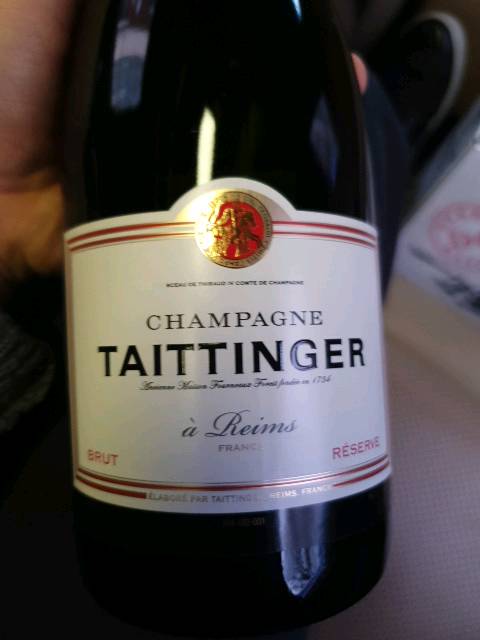
Taittinger, Brut Réserve (NV)
The house traces back to Forest-Fourneaux, founded by Jacques Fourneaux in 1734; WWI officer Pierre Taittinger bought it in 1932 and gave it his name. This is the non-vintage Brut from the same house James Bond finally settles on in Ian Fleming's 1953 novel Casino Royale. Vivino: 57,690 ratings averaging 4.2. My score: 4.
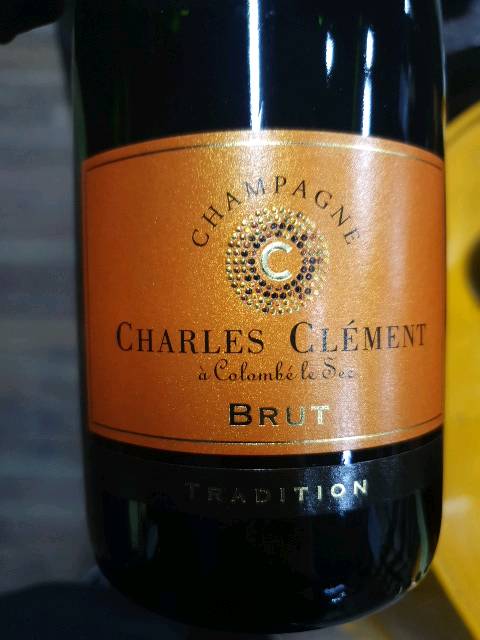
Charles Clément, Brut Rosé (NV)
A cooperative house founded in 1956 by 22 growers in the Côte des Bar, Aube — the same "forgotten" southern edge of Champagne whose exclusion helped trigger the 1911 riots. Vivino: 276 ratings averaging 3.9. My own score is 4.0.
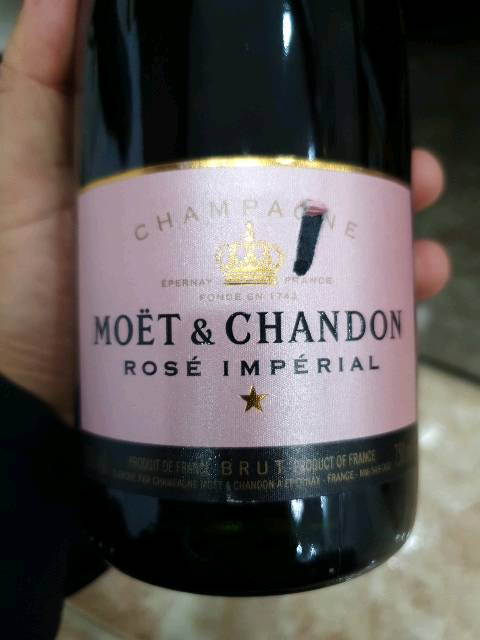
Moët & Chandon, Impérial Rosé Brut NV
The standard rosé from the world's largest Champagne house. Decanter 90, Vivino 4.1 (32,773 ratings) — I gave it 3.5. Against Veuve Clicquot (4.5), Dom Pérignon (5.0) and Charles Dauteuil (4.5) from the same month, this is the lowest-scored Champagne in this magazine.
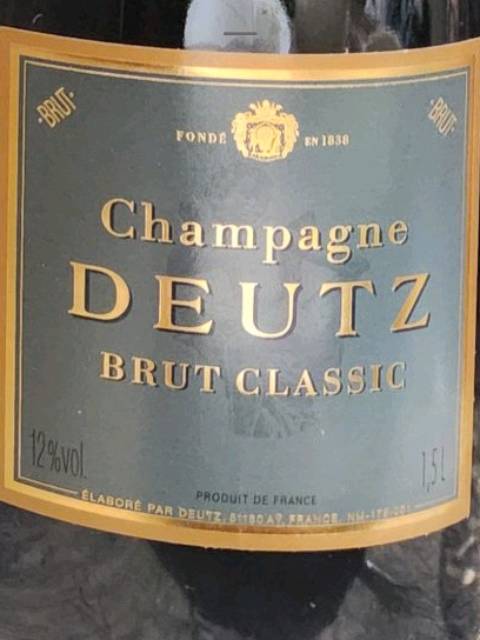
Deutz, Brut Classic (NV)
A house founded in 1838 in Aÿ by two German immigrants, William Deutz and Pierre-Hubert Geldermann. The 1911 Champagne riots destroyed its headquarters and stock, a loss the house reportedly felt for the next 50 years. Vivino: 36,044 ratings averaging 4.1. My own score was 3.0 — I noted the bubbles felt strangely flat.
FAQ
What's the difference between Champagne and sparkling wine?
Champagne is an appellation reserved for sparkling wine made in France's Champagne region, from specified grapes, using the traditional method (secondary fermentation in the bottle). Sparkling wines from elsewhere go by their own names — Prosecco, Cava, Crémant — and all fall under the broader category of sparkling wine.
What does "NV" mean on a Champagne label?
Non-Vintage: a blend of grapes from multiple years, aimed at keeping a house's signature style consistent. Most of the ten bottles here, aside from a single-vintage (millésime) wine like Dom Pérignon 2008, are labeled NV, prioritizing house character over a single year's personality.
Dom Pérignon or Krug — which is better?
By this piece's own scoring, they're tied at 5.0. Dom Pérignon shows the character of one specific vintage (2008), while Krug Grande Cuvée shows the consistency of "Krug character" built by blending multiple vintages. It's better read as a difference in style than a clear winner.
How should Champagne be stored?
Generally recommended: store it lying down or upright in a cool, dark place away from direct light and vibration, and chill it in the refrigerator for a few hours before drinking. Most of the non-vintage bottles covered here are reportedly designed to be enjoyed relatively soon after release.
Sources
- Vivino — Krug Grande Cuvée community data
- Vivino — Dom Pérignon Brut 2008 community data
- Wine-Searcher — Delamotte Brut Champagne pricing
- Vivino — Veuve Clicquot Brut Yellow Label community data
- Wine-Searcher — Louis Roederer Brut Premier Champagne pricing
- Wine-Searcher — Taittinger Brut Réserve Champagne pricing
- Wine-Searcher — Moët & Chandon Impérial Rosé Brut pricing
- Wine-Searcher — Deutz Brut Classic Champagne pricing