Home › Wine Notes › Domaines Ott
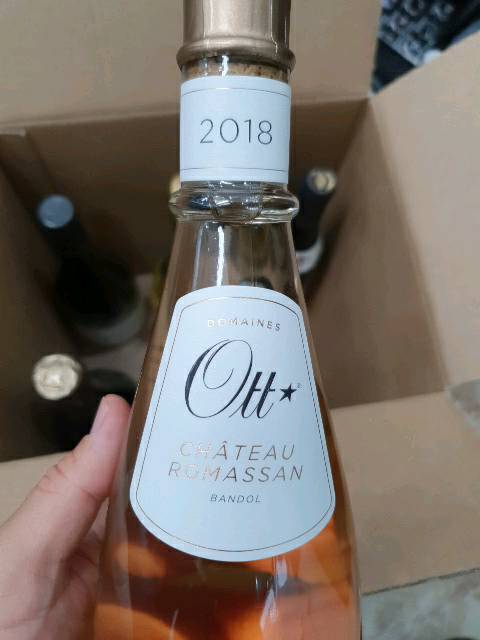
Domaines Ott Château Romassan Rosé Coeur de Grain 2018
RoséFrance2018
By Daniel Min · Tasted 2021-01-02 · Published 2026-09-30 · Updated 2026-09-30
At a glance
In one line
4.0/5 — lower than Vivino's 4.2 average · world avg price US$36 · A house of rosé founded in Provence by an agricultural engineer from Alsace.
Wine-Searcher aggregate of 5 critic reviews: 91. Vivino lists an 89 without naming the publication.
Market note: World average US$36 / 750ml (Wine-Searcher, ex-tax, Sep 2026). The 2018 has a single overseas seller, in Greece (US$36.58, tax incl.). From the same house, Château de Selle Rosé is US$53 (91), Clos Mireille Rosé US$45 (91) and Château Romassan Rouge US$66 (90).

Father's note — Daniel Min
Original author of the notes“방돌로제 방송보다 알게 되어 사서 먹어봄. 어느 할머니가 프로방스의 생선들과 잘 어울리는 와인을 만드신게 방돌로제 인데 생선과 먹어보니 맛있음. 샴처럼 차게 먹으니 오히려 향이 올라옴. 그르나슈에 무드베르드라 레드의 향들도 느껴짐. 내 취향은 아니나 병 예쁘고 맛있어요”
Show original
“peach citrus grapefruit apricot raspberry 방돌로제 방송보다 알게 되어 사서 먹어봄^^ 어느 할머니가 프로방스의 생선들과 잘어울리는 와인을 만드신게 방돌로제 인데 생선과 먹어보니^^ 맛있음~~ 샴처럼 차게 먹으니 오히려 향이 올라옴~~ 그르나슈에 무드베르드라 레드의 향들도 느껴짐~~ 내취향은 아니나 병 예쁘고~~ 맛있어요”

The other seven lines I'll read when their scents come back.
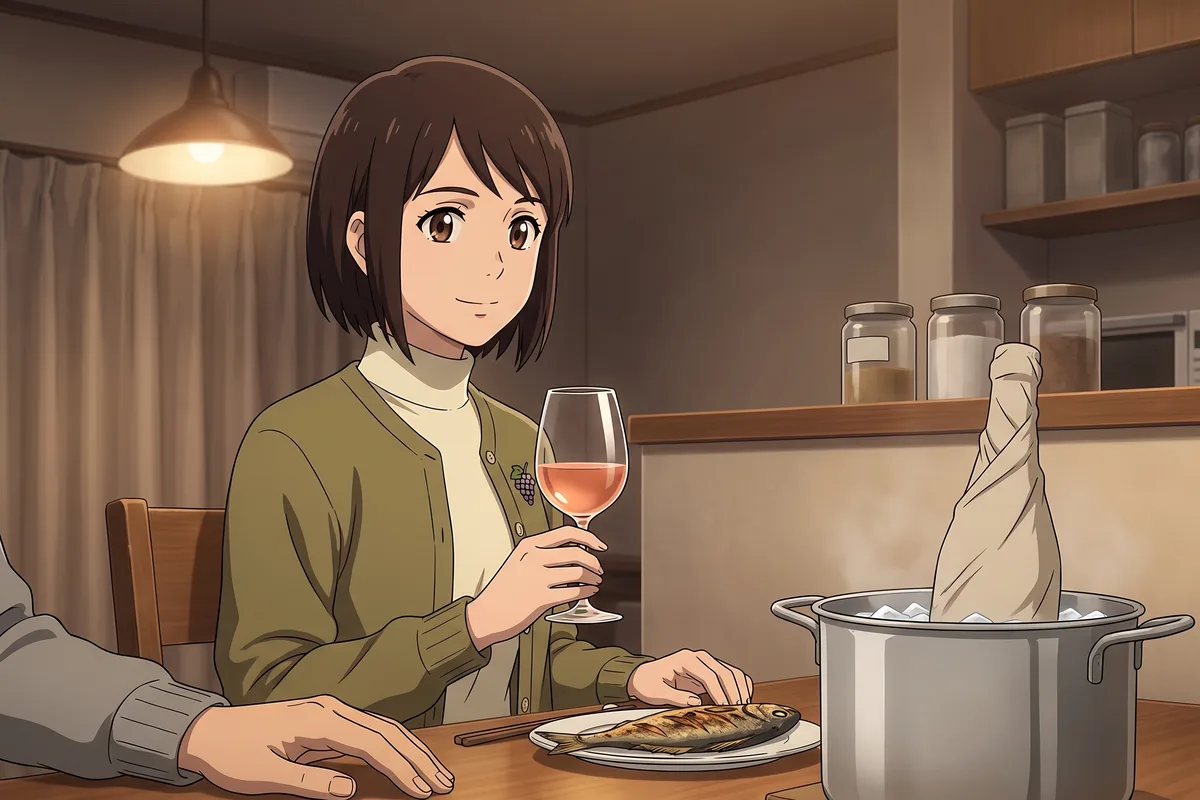
Monday. Master Seo filled an ice bucket to the brim and buried a bottle wrapped in a white napkin up to its neck. When I asked why he was chilling it so hard when it wasn't even Champagne, he only said some scents rise precisely because it's cold. Then he poured me a glass of pale pink.
Grapefruit came first. Then peach, apricot, the faintest raspberry. Cold as it was, the scent didn't sink; it bloomed up over the glass little by little. As I set the glass down, I looked toward the ice bucket. Through the napkin the bottle's shape showed: no shoulders, a narrow waist, swelling out toward the bottom. The grapefruit smell and that waist opened the evening of the second day of the new year, both at once.
Twenty-two, the second day of the new year, a Saturday evening. Mom grilled fish, and the kitchen was full of the smell of oil and sea. Dad filled a stockpot with ice water and stood a cloth-wrapped bottle in it. Even wrapped in cloth, the bottle's waist showed plainly. I said the bottle had a waist, and Dad laughed out loud. I got a glass of pink and took it turn about with bites of fish. The grapefruit washed the oil of the fish clean away. Mom said it went well with fish, and Dad nodded. I don't know the name of the bottle.
The notebook has eight lines for that date. This bottle's line has more tildes than exclamation marks. He'd learned of it from a TV programme and bought one to try. With fish, it was delicious. 'Chilled like Champagne, the aromas actually rise.' Not his style, he wrote, but the bottle is pretty. Four stars. The bottle was Domaines Ott Château Romassan Rosé Coeur de Grain 2018. I stuck on the wine-name Post-it. Probably 'the bottle is pretty' found its way into the notebook because I mentioned that waist through the cloth first.
The moment Minjae saw the bottle in the ice bucket, his eyes went wide. Master Seo, expressionless, gave the story of the bottle's shape in one line.
After closing, I wrote the bottle's name on page forty-one of the new notebook. In the scent column: 'grapefruit, the colder the better.' What I learned today: some scents only rise once they're cold. The other seven lines I'll read when their scents come back.

What this wine is
Marcel Ott was a young agricultural engineer from Alsace. He wandered in search of vineyards and at one point meant to settle in Algeria; it was his wife Elisabeth, the story goes, who talked him out of it. In 1896 the Ott family settled in Provence (Domaines Ott official site). The principle of low yields — 'do less, but do it better' — dates from then.
Château de Selle came in 1912, Clos Mireille in 1936, and in 1956 Château Romassan, near the village of Le Castellet in Bandol. In between, in 1932, Marcel asked his son René to create a bottle. René's design drew on the tall, slender cypress trees that stand all over Provence and on the amphorae of ancient Rome: no shoulders, a flowing line that narrows at the waist and swells at the base. It is still the house's signature. When American Prohibition ended in 1933, Ott rosé went straight to the United States. Since 2004 the house has belonged to the group of the Champagne house Louis Roederer.
'Coeur de Grain' means 'heart of the grape'. I couldn't confirm an official explanation of which juice is selected. Bandol rosé blends Grenache, Mourvèdre and Cinsault.

What the world says
The five critic reviews on Wine-Searcher aggregate to 91. Vivino lists an 89 without naming the publication.
On Vivino the 2018 averages 4.2 from 750 ratings: 168 fives, 454 fours and 115 threes. The label as a whole averages 4.2 from over 9,000, and the 2013–2016 vintages all sit at 4.1–4.2. The suggested drinking window, 2020–2023, is short, as rosé windows are.
"An elegant and well structured rosé from Bandol. Thanks to the predominant Mourvèdre component, there is a broad-shouldered tannin structure that brings direction and power." — Vivino review, Jul 2020, 4.5 stars
Structure shows acidity 3.9, intensity 2.6 and sweetness 1.3. Tree fruit — peach (110 mentions), apricot, melon — leads the keywords, followed by citrus and grapefruit (61) and red fruit such as strawberry (90) and raspberry. Spices such as white pepper, thyme and licorice appear too. The producer speaks of citrus, fresh licorice and white flowers that open with air.
The world average is US$36 / 750ml (Wine-Searcher, ex-tax, Sep 2026).
How I drank it
January 2, 2021, 4 stars. I logged eight bottles that day: Arnaud Ente Bourgogne Chardonnay (4.5), Dugat-Py Gevrey-Chambertin (4), Egly-Ouriet Blanc de Noirs (5), Leflaive Mâcon-Verzé (3.5), Bouchard Vosne-Romanée (3.5), this one (4), Gancia Pinot di Pinot (2) and Michel Noëllat Les Suchots (4).
I wrote that I'd seen a TV programme about Bandol rosé and bought one to try. The note doesn't say who 'a certain grandmother' was; probably someone other than the Ott family who made this bottle. With fish it was delicious, and chilled like Champagne the aromas actually rose. With Mourvèdre alongside the Grenache, I could sense red-wine aromas too. Not my style, I ended, but a pretty bottle and tasty.
The community averages 4.2; I gave 4. Nearly the same. But mine is a 4 with 'not my style' attached. The score came from the food and the temperature; the taste stayed where it was. That it smelled more the colder it got is something I found in my own glass before any recommended serving temperature.

Vivino community data
2018 vintage rating distribution (750 ratings, average 4.2)
| 5★ | 168 (22%) | |
| 4★ | 454 (61%) | |
| 3★ | 115 (15%) | |
| 2★ | 7 (1%) | |
| 1★ | 6 (1%) |
Most-mentioned aromas
| Family | Mentions | Top keywords |
|---|---|---|
| Tree fruit | 271 | peach 110 · apricot 54 · melon 35 · pear 17 · white peach 14 |
| Citrus | 200 | citrus 80 · grapefruit 61 · orange 19 · lemon 12 · pink grapefruit 11 |
| Red fruit | 159 | strawberry 90 · raspberry 26 · red fruit 15 · watermelon 9 · cherry 6 |
| Earth & leather | 98 | minerals 42 · stone 19 · honey 9 · saline 6 · smoke 5 |
| Spice | 43 | white pepper 12 · thyme 10 · licorice 9 · pepper 3 · rosemary 2 |
Structure: Acidity 3.9/5 · Intensity 2.6/5 · Sweetness 1.3/5
Average by vintage (all vintages: 9076 ratings, average 4.2)
| Vintage | Average | Ratings |
|---|---|---|
| 2008 | 4 | 36 |
| 2010 | 4.4 | 48 |
| 2011 | 4 | 82 |
| 2012 | 4.2 | 146 |
| 2013 | 4.2 | 439 |
| 2014 | 4.1 | 502 |
| 2015 | 4.2 | 625 |
| 2016 | 4.2 | 736 |
| 2017 | 4.2 | 906 |
| 2018 | 4.2 | 750 |
| 2019 | 4.2 | 680 |
| 2020 | 4.2 | 883 |
| 2021 | 4.2 | 676 |
| 2022 | 4.2 | 306 |
| 2023 | 4 | 284 |
| 2024 | 4.1 | 129 |
| 2025 | 4.2 | 42 |
Other wines Father scored 4.0 →
Read next
Swipe for more →
 Tasted the same day
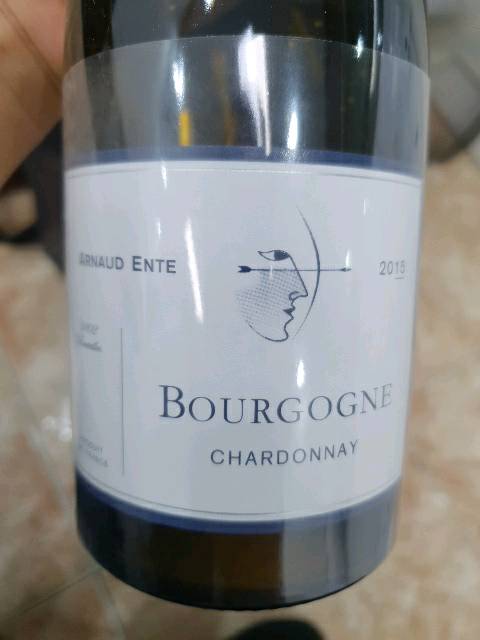
Arnaud Ente Bourgogne Chardonnay 2015
France · Burgundy★★★★½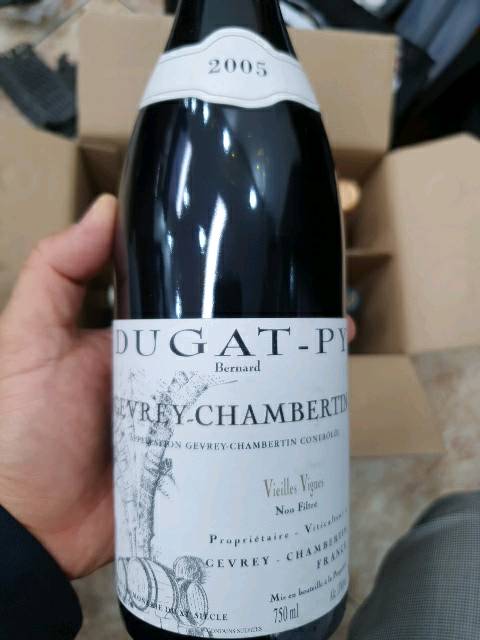 Tasted the same day
Dugat-Py Gevrey-Chambertin Vieilles Vignes 2005
France · Burgundy★★★★☆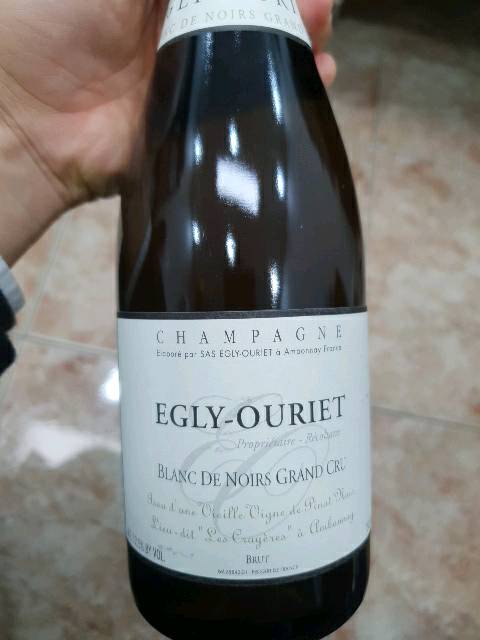 Tasted the same day
Egly-Ouriet Blanc de Noirs Grand Cru 'Les Crayères' Ambonnay
France · Champagne★★★★★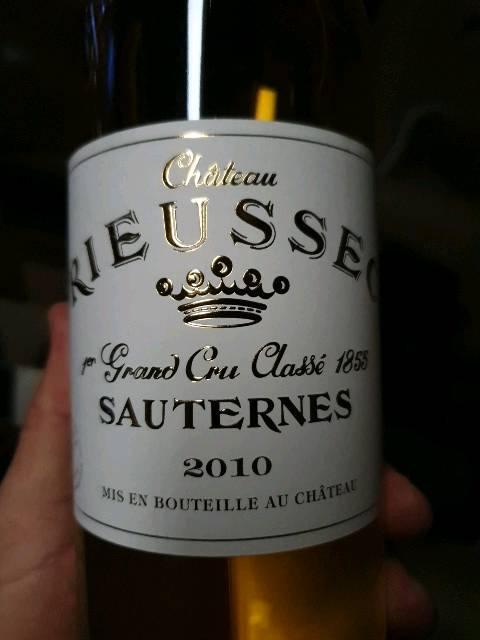 Same producer
Château Rieussec, Sauternes 2010
France · Bordeaux★★★★½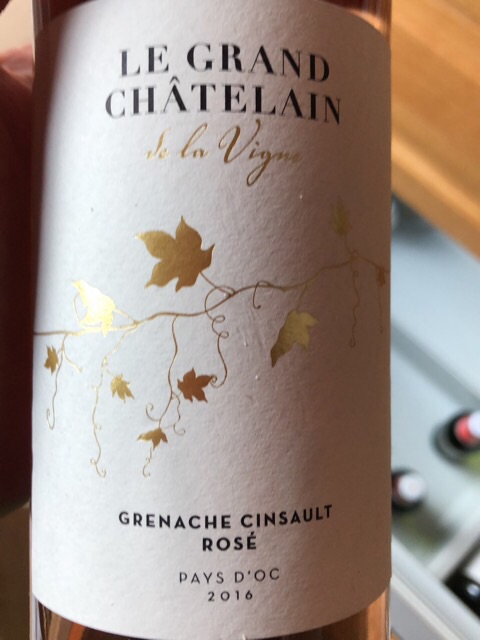 Similar style
Le Grand Châtelain Grenache Cinsault Rosé
France★★★½☆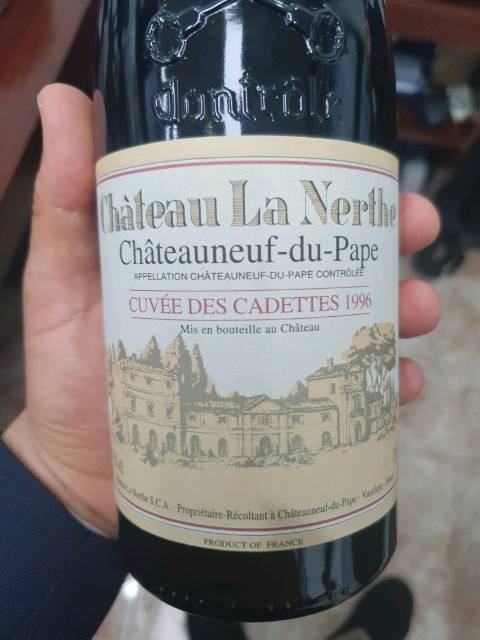 Same grape
Château La Nerthe Cuvée des Cadettes Châteauneuf-du-Pape 1996
France · Rhône★★★★★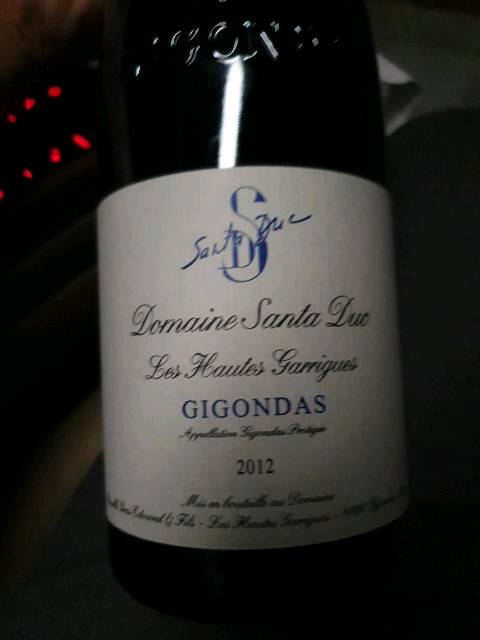 Same grape
Domaine Santa Duc Gigondas Prestige des Hautes Garrigues 2012
France · Rhône★★★★☆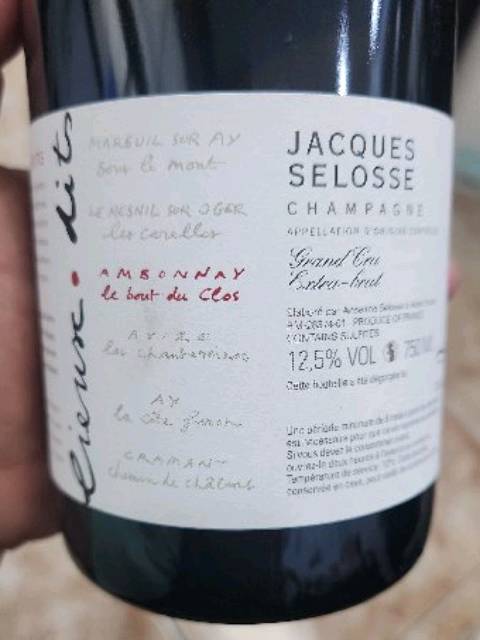 Highly rated by Father
Jacques Selosse Lieux-dits Le Bout du Clos Ambonnay Grand Cru Extra Brut
France · Champagne★★★★★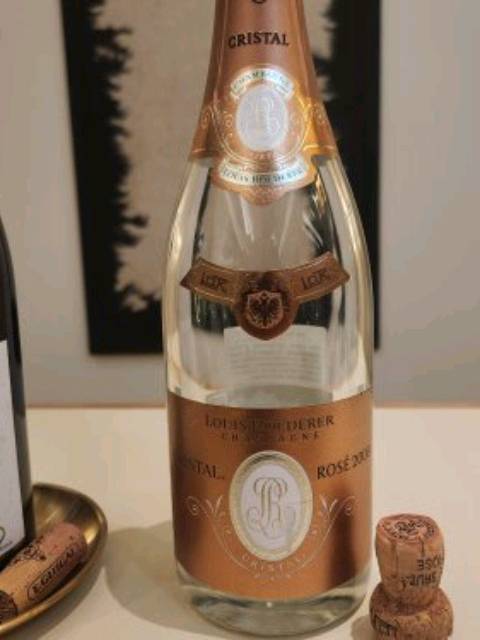 Highly rated by Father
Louis Roederer Cristal Rosé Vinothèque 2008
France · Champagne★★★★★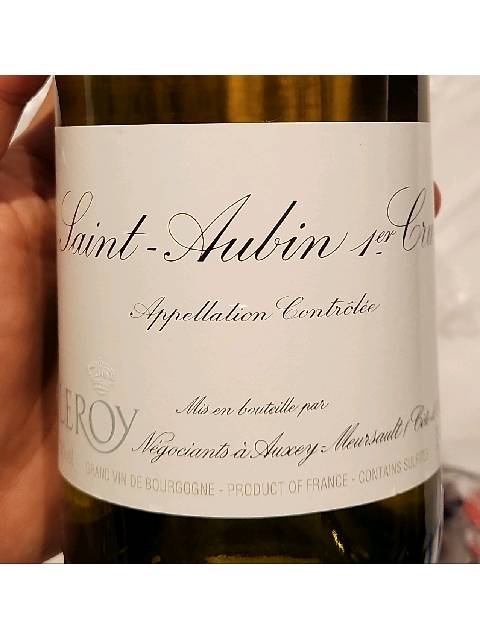 Highly rated by Father
Maison Leroy Saint-Aubin Premier Cru Le Charmois Blanc 2002
France · Burgundy★★★★★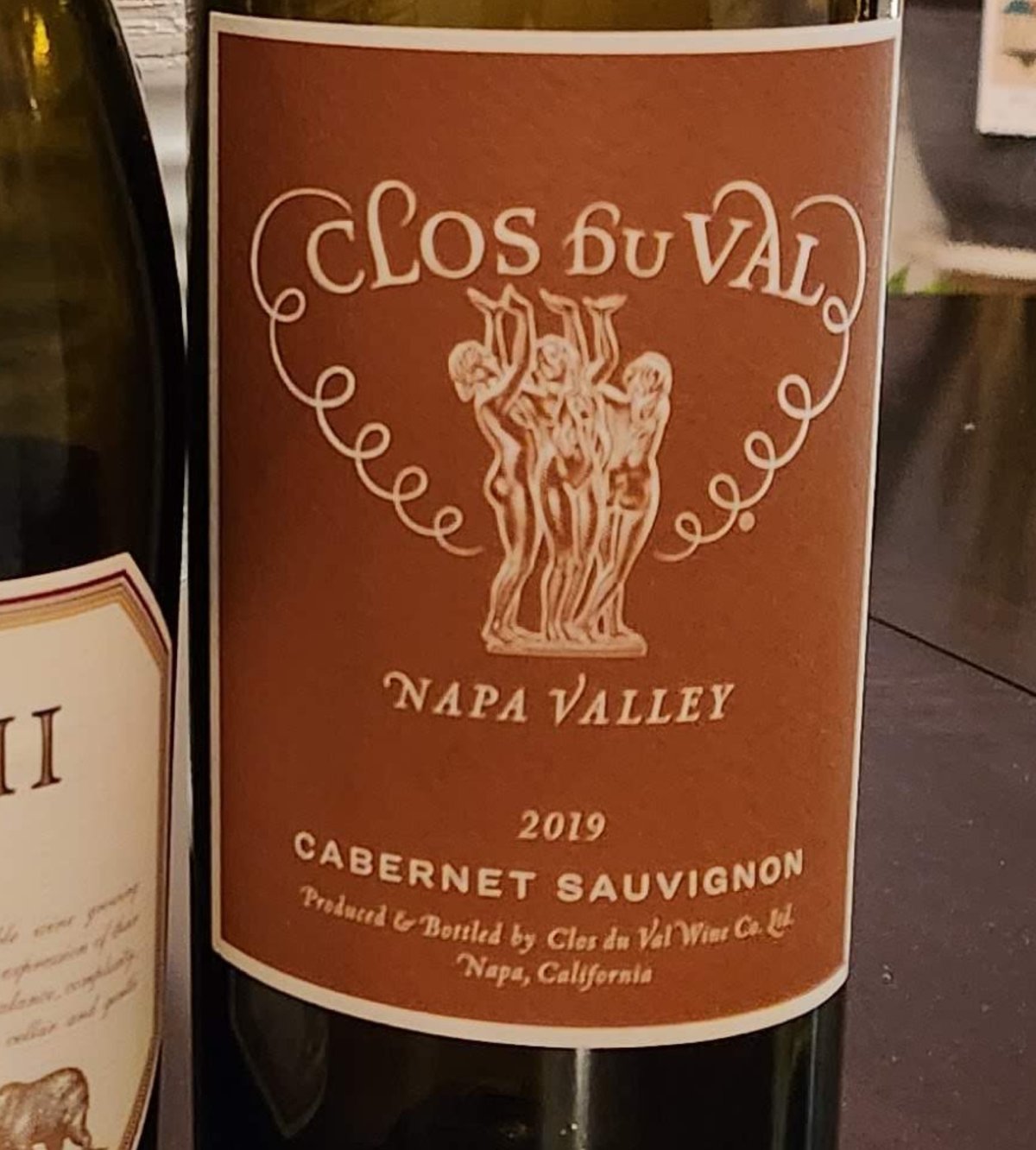 Highly rated by Father
Clos du Val Cabernet Sauvignon 2019 (Napa Valley)
United States · Napa★★★★★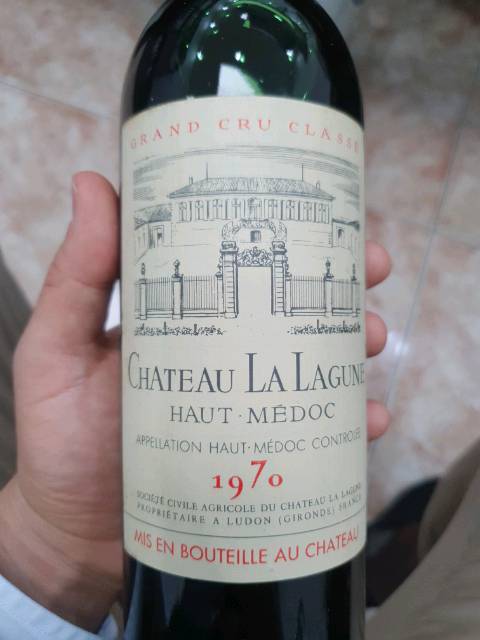 Highly rated by Father
Château La Lagune Haut-Médoc 1970
France · Bordeaux★★★★★More from France
Swipe for more →
 France
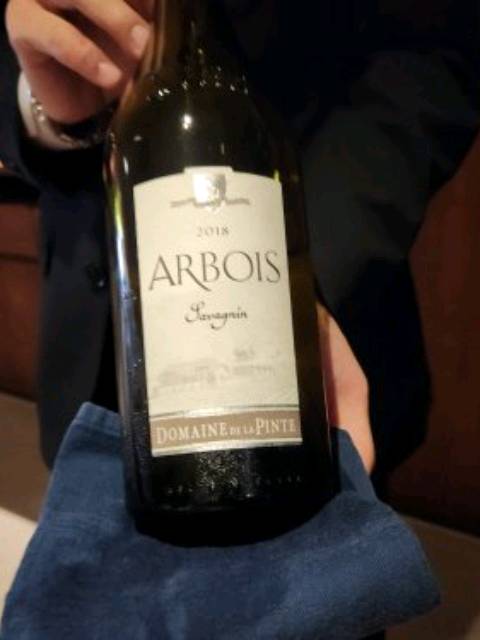
Domaine de la Pinte Trousseau Arbois 2018
★★★★½FranceLe Grand Châtelain Grenache Cinsault Rosé
★★★½☆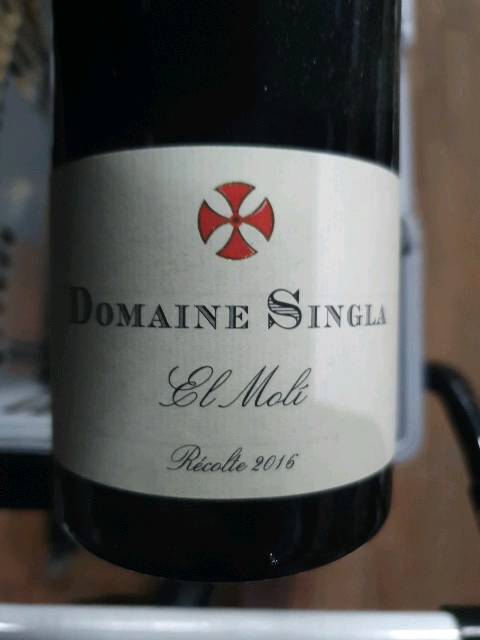 France
Domaine Singla El Molí 2016
★★★★☆ France
Domaine du Clos des Fées, Le Clos des Fées 2008 (Hervé Bizeul)
★★★★☆ France
Moët & Chandon, Impérial Rosé Brut NV
★★★½☆ France
Ruhlmann Crémant d'Alsace Rosé Brut 'Harmonie de Rosé'
★★★☆☆Explore
Bottles Father gave five stars
Only the wines Father scored a perfect 5
→
Wines in manga, film and history
Bottles that show up in manga, film and history
→
Wines you can buy at the supermarket
Wines actually bought at the supermarket
→Frequently asked questions
What kind of wine is Château Romassan Rosé?
A dry rosé from Grenache, Mourvèdre and Cinsault grown at Château Romassan in Bandol, owned by Domaines Ott since 1956. The 2018 averages 4.2 on Vivino (750 ratings) with a Wine-Searcher critic aggregate of 91.
How much does it cost?
Wine-Searcher's world average is US$36 per 750ml (ex-tax, Sep 2026). The 2018 has one overseas seller, in Greece, at US$36.58 (tax incl.).
What food goes with it?
The Vivino community suggests pork, shellfish, vegetarian dishes and poultry. I drank it with grilled fish, and it worked well.
Why is the Domaines Ott bottle shaped like that?
Marcel Ott's son René designed it in 1932. The official site says the shape draws on Provence's cypress trees and ancient Roman amphorae.
Links & sources
View on Vivino · Prices on Wine-Searcher
- Vivino — wine page and community data
- Domaines Ott — The history of Domaines Ott
- Bienmanger — Château Romassan Coeur de Grain
- Wine-Searcher — 2018 Domaines Ott Chateau Romassan Rosé
Read next
Swipe for more →
Tasted the same dayArnaud Ente Bourgogne Chardonnay 2015
France · Burgundy★★★★½Tasted the same dayDugat-Py Gevrey-Chambertin Vieilles Vignes 2005
France · Burgundy★★★★☆Tasted the same dayEgly-Ouriet Blanc de Noirs Grand Cru 'Les Crayères' Ambonnay
France · Champagne★★★★★Same producerChâteau Rieussec, Sauternes 2010
France · Bordeaux★★★★½Similar styleLe Grand Châtelain Grenache Cinsault Rosé
France★★★½☆Same grape