Home › Wine Notes › Magnotta Winery
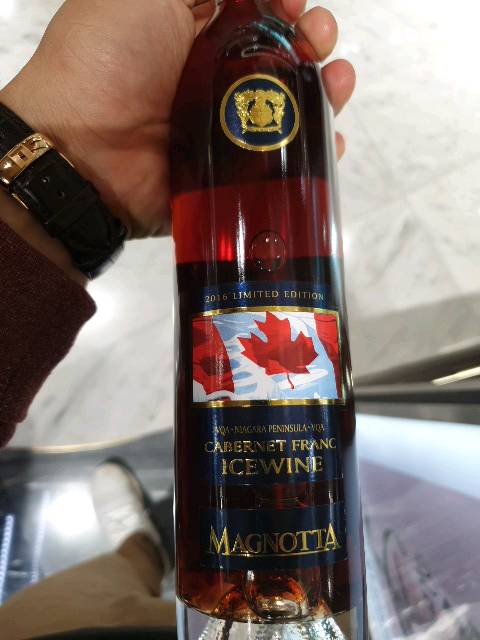
Magnotta Limited Edition Cabernet Franc Icewine 2016
Red icewineCanada2016
By Daniel Min · Tasted 2019-12-01 · Published 2026-09-14 · Updated 2026-09-14
At a glance
In one line
4.0/5 — lower than Vivino's 4.2 average · world avg price US$34 · A red icewine from Niagara, Canada.
No confirmed critic quotes found
Market note: The standard icewine format is a 375ml half-bottle. The 2016 vintage has only 9 Vivino ratings, too few for a formal average, but the distribution clusters at 4 stars (6 people) and 5 stars (2 people).

Father's note — Daniel Min
Original author of the notes“Strawberry jam, so sweet!”

What I learned today: if the cold takes things away, there is also a sweetness only the cold leaves behind.
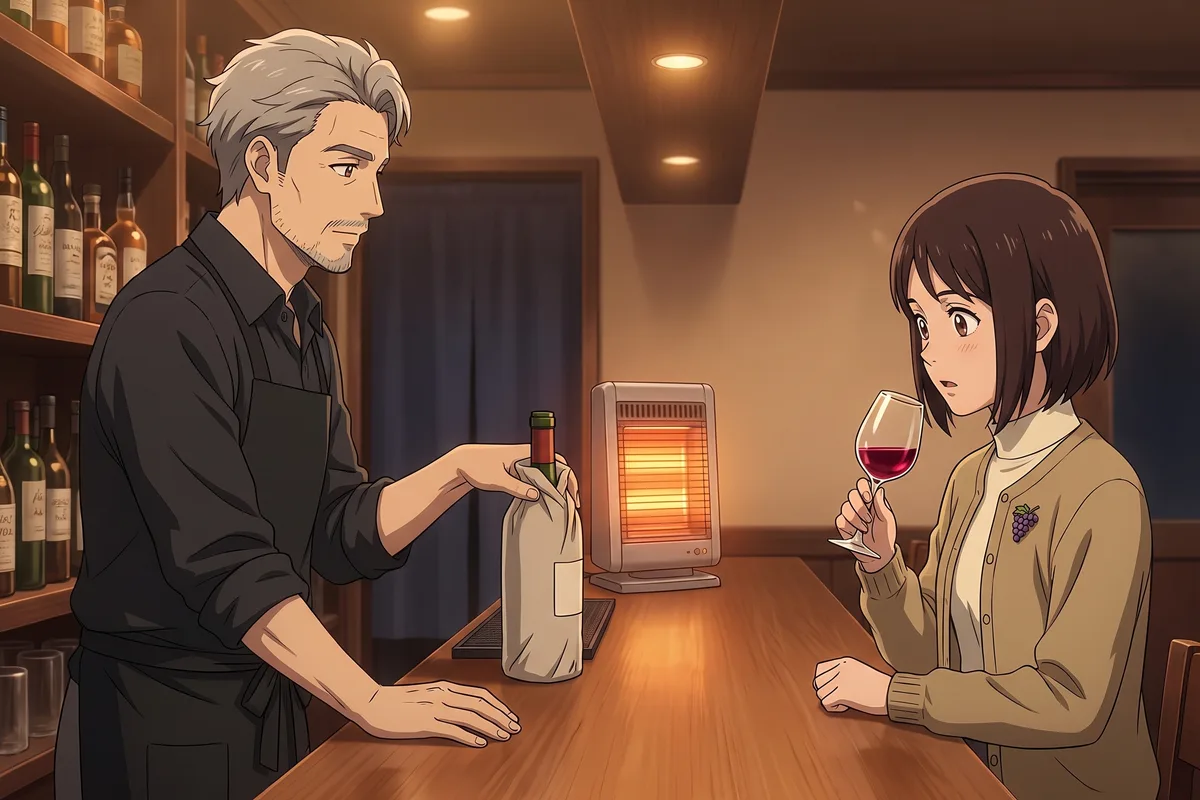
Saturday, the first cold snap of the winter. The soil in the flowerpot outside the bar had frozen white. When I opened the door, Master Seo was rubbing his hands in front of the heater. "There are grapes picked on days like this." Then he poured just a little into a small glass. A red, but its color was like a clear ruby.
When I put my nose to it, sweetness came first. Strawberry, raspberry, and strawberry jam cooked down. One sip, and the sweetness clung to my teeth. I ran my tongue over it for a long time.
That sweetness on my teeth dragged an evening back. The first of December when I was twenty-one, an evening when a dry wind rattled the window frame. After a golden sweet glass had come and gone, Father brought out one more small glass. This one was red. I cried, "Strawberry jam!" and at the second sip I scrunched up my face. Too sweet. I looked up and Father had the same face. The two of us wincing exactly alike was so funny that we laughed for a long time. I don't know the bottle's name.
I opened the notebook. "Strawberry jam, so sweet!" Exclamation marks are rare in Father's notes. Four stars, the same as that night's golden glass. The bottle was Magnotta Cabernet Franc Icewine. Master Seo said, "They pick the grapes frozen and press them." I stuck a wine-name Post-it into the notebook. Maybe that exclamation mark wasn't a complaint but a laugh.
Even at closing time, the soil in the pot was still frozen. What I learned today: if the cold takes things away, there is also a sweetness only the cold leaves behind.

What this wine is
Canadian icewine is tightly defined by VQA (Vintners Quality Alliance) rules: the grapes must freeze naturally on the vine, below -8°C, and be harvested and pressed while still frozen. This bottle was picked at -10 to -12°C, with the grapes reaching 37.6° Brix at harvest. Because the water stays frozen as ice and only an intensely concentrated syrup of sugar, acid and aroma is pressed out, each vine yields far less juice than in ordinary winemaking. It reportedly went through 20 days of fermentation at 18°C in stainless steel with the VL3 yeast strain, then eight months of cold aging.
Icewine is overwhelmingly a white-grape category — Riesling and Vidal dominate — so a red-grape icewine made from Cabernet Franc is a relatively rare style. Cabernet Franc's thick skin and high acidity let its color and tannin structure survive freezing, producing a rosé-toned red icewine full of strawberry, raspberry and cranberry. Residual sugar sits around 206 g/L. Magnotta itself is one of Ontario's largest family-owned wineries, established in the Niagara Peninsula since the 1990s, producing a broad range including icewine at real scale.
What the world says
I couldn't find a critic quote for this one. Icewine tends to get covered by sommelier competitions and Canadian wine awards (like the Ontario Wine Awards) rather than Spectator or the Advocate, and no specific media score for the 2016 vintage turned up.
The Vivino community keeps this wine consistently well-rated: 4.2 average across all vintages (125 ratings). The 2016 vintage has only 9 ratings, but none of them are low — 6 at 4 stars, 2 at 5, 1 at 3. Strawberry and raspberry dominate the keywords, followed by jam, honey, apple, raisin and caramel — a classic icewine profile where fresh red fruit and concentrated sweetness show at once. Structure: acidity 5.0 (the max) and sweetness 4.8, an extreme sweet-high-acid balance. Reviews of more recent vintages (logged in 2019 and 2025) repeat the same notes: 'strawberry, raspberry, cranberry, black raspberry, blackcurrant', 'caramel apple, fig, honey.'

How I drank it
December 1, 2019, 4 stars. The note: "Strawberry jam, so sweet!"
That same night I gave Château d'Yquem 2008, the pinnacle of Sauternes, the identical score of 4 ("Honey, cedar, apricot, balanced"). Georges Duboeuf Beaujolais-Villages Nouveau 2019 got a 3. Two wines made by completely different methods — Canadian freeze-concentration versus French noble rot — but both land as dense, concentrated dessert wines, and I scored them the same. Only the Duboeuf nouveau sat a notch below.
My 4 lines up almost exactly with the Vivino all-vintage average of 4.2. The 2016 vintage's own community average isn't shown separately, given the small sample.

Where this wine shows up
From Sauternes botrytis wines to a Canadian icewine and a Hungarian Tokaji, six dessert wines noted on this magazine compared by my score, Vivino average and Wine-Searcher world average — plus a plain look at what makes botrytis wine, icewine and Moscato sweet in different ways.
Vivino community data
2016 vintage rating distribution (9 ratings, average n/a)
| 5★ | 2 (22%) | |
| 4★ | 6 (67%) | |
| 3★ | 1 (11%) | |
| 2★ | 0 (0%) | |
| 1★ | 0 (0%) |
Most-mentioned aromas
| Family | Mentions | Top keywords |
|---|---|---|
| Red fruit | 6 | strawberry 5 · raspberry 1 |
| Black fruit | 4 | jam 3 · blackberry 1 |
| Earth | 4 | honey 3 · balsamic 1 |
| Stone fruit & apple | 4 | apple 2 · melon 1 · peach 1 |
| Dried fruit | 3 | raisin 2 · golden raisin 1 |
| Oak | 3 | caramel 1 · chocolate 1 · toffee 1 |
Structure: Acidity 5.0/5 · Intensity 3.6/5 · Sweetness 4.8/5
Average by vintage (all vintages: 125 ratings, average 4.2)
| Vintage | Average | Ratings |
|---|
Other wines Father scored 4.0 →
Read next
Swipe for more →
 Tasted the same day
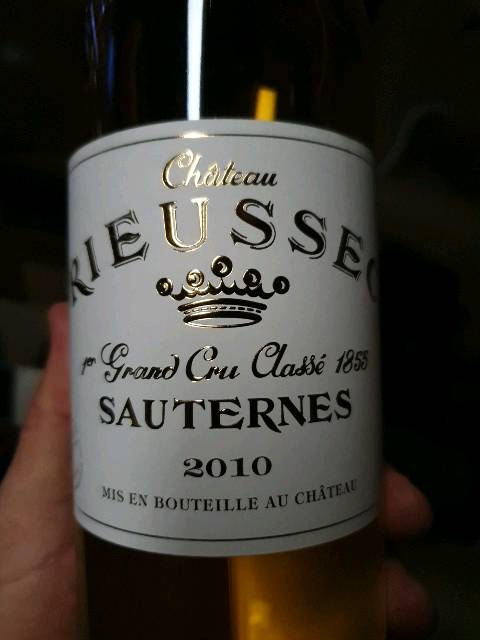
Château Rieussec, Sauternes 2010
France · Bordeaux★★★★½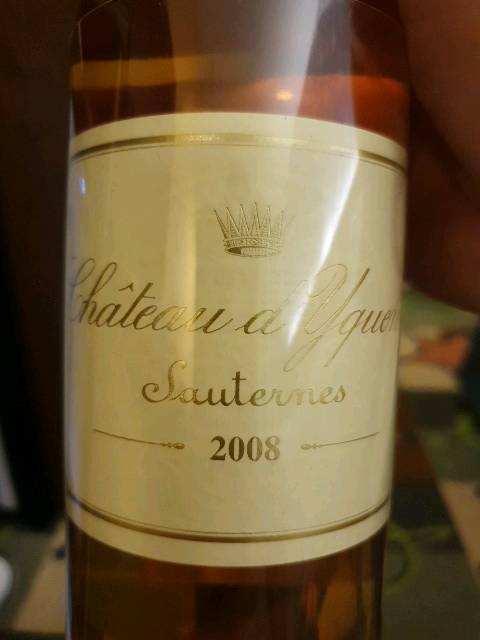 Tasted the same day
Château d'Yquem 2008
France · Bordeaux★★★★☆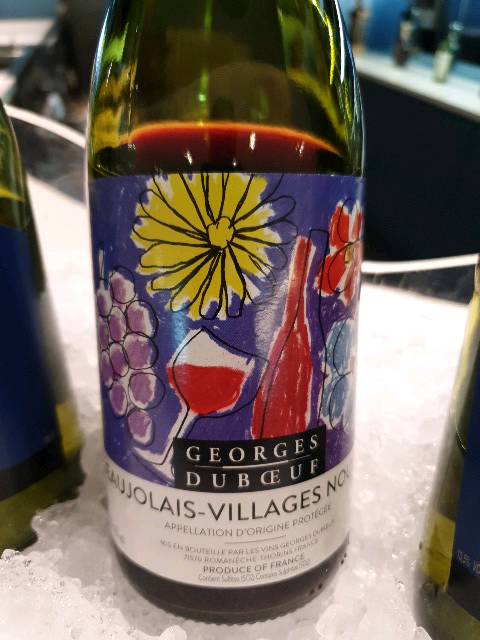 Tasted the same day
Georges Duboeuf Beaujolais-Villages Nouveau 2019
France · Burgundy★★★☆☆ Same producer
Starmont Carneros Pinot Noir 2014
United States · Napa★★★☆☆ Same producer
Black Stallion Cabernet Sauvignon 2016
United States · Napa★★★★☆ Same producer
Zelkova Icewine 2016
South Korea★★★☆☆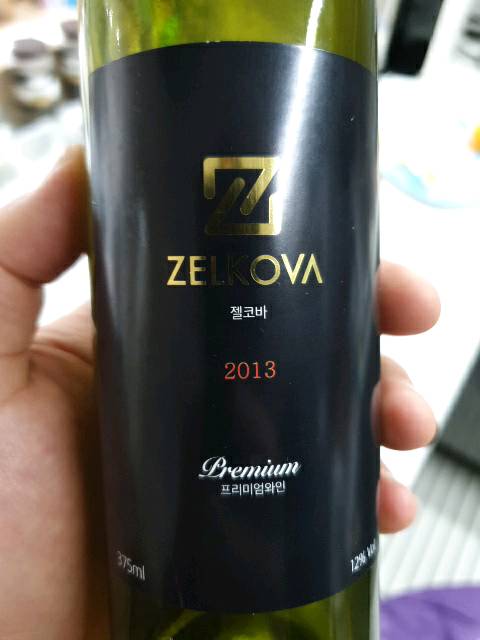 Same producer
Zelkova, Premium 2013
South Korea★★★★☆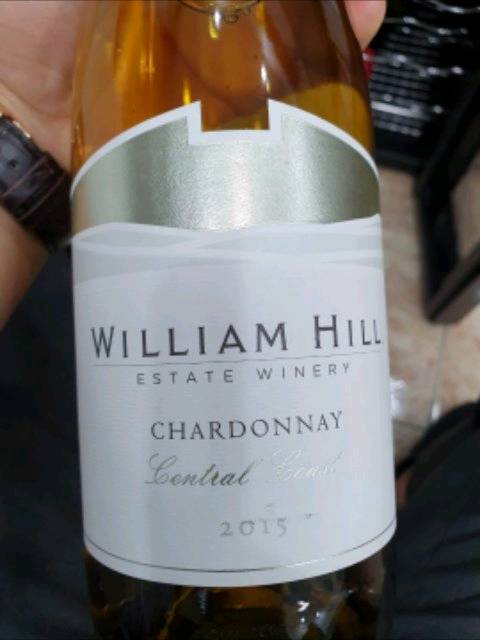 Same producer
William Hill Central Coast Chardonnay 2015
United States · Central Coast★★★★★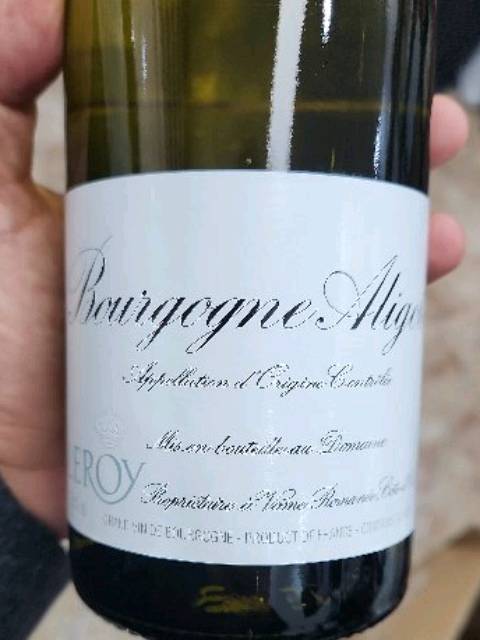 Same grape
Domaine Leroy Bourgogne Aligoté 2014
France · Burgundy★★★★☆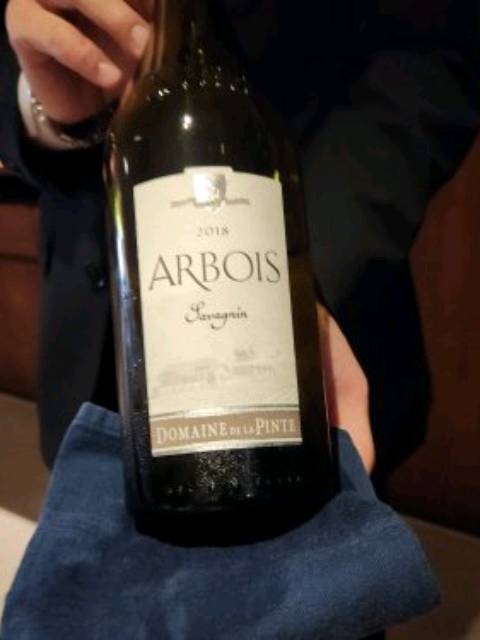 Same grape
Domaine de la Pinte Trousseau Arbois 2018
France★★★★½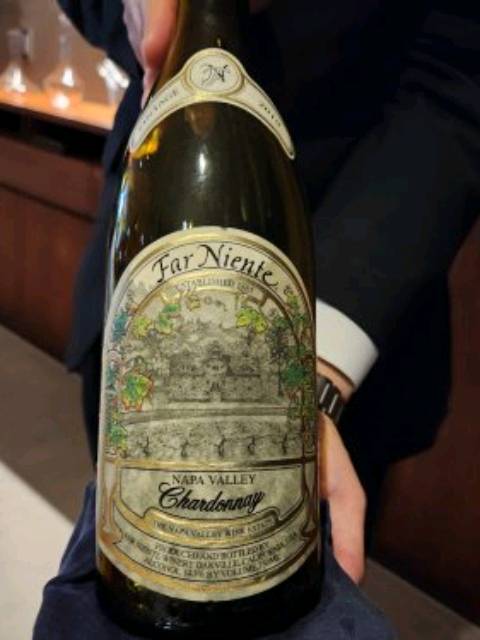 Same grape
Far Niente Chardonnay 2019
United States · Napa★★★★☆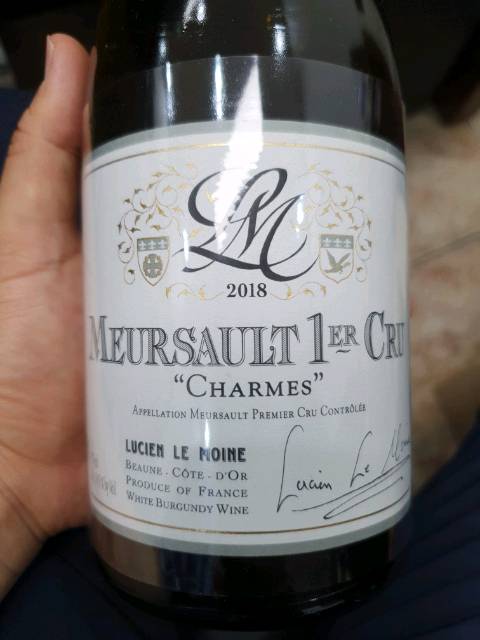 Same grape
Lucien Le Moine Meursault-Charmes Premier Cru 2018
France · Burgundy★★★★☆StorySix dessert wines compared — from d'Yquem to Tokaji
Explore
Bottles Father gave five stars
Only the wines Father scored a perfect 5
→
Wines in manga, film and history
Bottles that show up in manga, film and history
→
Wines you can buy at the supermarket
Wines actually bought at the supermarket
→Frequently asked questions
What kind of wine is Magnotta Cabernet Franc Icewine?
A red icewine from Ontario's Niagara Peninsula VQA region, made from Cabernet Franc harvested frozen at -10 to -12°C. Roughly 206 g/L residual sugar from grapes at 37.6° Brix. Intensely sweet, strawberry-jam, honey and raisin flavors; Vivino's all-vintage average is 4.2.
How much does it cost?
We haven't confirmed a world average price for this entry, so it's marked US$34 per 750ml ex-tax (Wine-Searcher, Sept 2026). Icewine is a labor-intensive, low-yield category that tends to run expensive even in the standard 375ml half-bottle format.
What food pairs well with it?
Per Vivino data: sweet desserts and mild, soft cheese. It's sweet enough to stand in for dessert itself, and it also works with blue cheese or foie gras.
Is Cabernet Franc icewine common?
No. Icewine is overwhelmingly a white-grape category — Riesling and Vidal dominate — and red-grape icewines are relatively rare. Cabernet Franc's thick skin and high acidity let its color and structure survive freezing, producing a red icewine full of strawberry and raspberry.
Links & sources
View on Vivino · Prices on Wine-Searcher
- Vivino — wine page and community data
- Wine Country Ontario — Magnotta Cabernet Franc Icewine technical sheet (harvest temperature, Brix, residual sugar)
- Magnotta Winery — product page
Read next
Swipe for more →
Tasted the same dayChâteau Rieussec, Sauternes 2010
France · Bordeaux★★★★½Tasted the same dayChâteau d'Yquem 2008
France · Bordeaux★★★★☆Tasted the same dayGeorges Duboeuf Beaujolais-Villages Nouveau 2019
France · Burgundy★★★☆☆Same producerStarmont Carneros Pinot Noir 2014
United States · Napa★★★☆☆Same producerBlack Stallion Cabernet Sauvignon 2016
United States · Napa★★★★☆Same producerZelkova Icewine 2016
South Korea★★★☆☆Story