8 Wines Under US$20 World Average That I Scored 4 or Higher
Giving a high score to an expensive wine is easy. This piece does the opposite: only wines with a Wine-Searcher world average under US$20 that I scored 4 or higher (out of 5), ranked by a value index (my score divided by price).
Being cheap doesn't cost a wine points
A 5 on this magazine is never an absolute judgment. It doesn't mean that bottle is the greatest wine in the world — it means that, at that moment, it delivered the maximum satisfaction available at its price. That's how a US$13 California Chardonnay can get a 5, in the same year a US$200 bottle also gets a 5. Both fives are the same number answering different questions.
This piece runs on two conditions only: a Wine-Searcher world average of US$20 or less, and a score of 4 or higher (out of 5) from me. Eight bottles on this magazine satisfy both. The order below isn't by price or alphabet — it's by a value index, my score divided by price, because a 4.0 on a US$10 bottle and a 4.0 on a US$20 bottle are different stories.
1. Canti Prosecco Millesimato 2018 — #1 by value index
One of the most familiar names on a Korean hypermarket sparkling shelf. Made by Fratelli Martini, a large-scale Piedmont producer, from 100% Glera using the Charmat (tank) method, which keeps the fresh apple and pear notes intact without a yeasty edge. On November 13, 2019, I scored it 4.0 with the note "lightly enjoyed spumante" — 0.3 above the Vivino 2018-vintage community average of 3.7. Wine-Searcher puts overseas retail around US$10–13. See the note
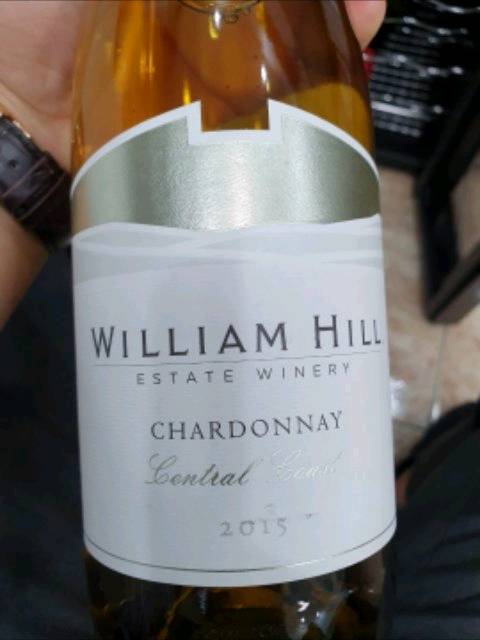
2. William Hill Central Coast Chardonnay 2015 — the only perfect score on this list
The one bottle here that got a 5 from me. A mass-market white from E&J Gallo-owned William Hill Estate, with a note reading "pear, apple, peach, banana, honey" and a line about feeling "the fruit bomb" as soon as it hit the glass. The Vivino 2015-vintage community average is 3.6 — a 1.4-point gap from my score. The community talks butter and oak first; I talked fruit first. Wine-Searcher's world average is US$13. See the note
3. Natale Verga Moscato d'Asti — picked up next to the strawberries
A non-vintage semi-sparkling from Casa Vinicola Natale Verga, a small Lombardy négociant that bottles Moscato Bianco sourced from Asti. My note says the bottle was grabbed on the way to buy strawberries, shelved right next to the produce. Scored 4.5 on December 29, 2019, and 4.5 again when I opened the same label on January 4, 2020 — "lightly enjoyed, well-balanced" both times. The Vivino community average is 4.0, half a point below my score. Wine-Searcher's world average is US$12. See the note
4. San Marzano Talò Primitivo di Manduria 2017 — genetically the same grape as Zinfandel
A red from Cantine San Marzano, a cooperative in Manduria, Puglia, made from 100% Primitivo — the grape that a 2001 UC Davis DNA analysis proved is genetically identical to California Zinfandel and Croatia's native Crljenak Kaštelanski. On January 17, 2020, I scored it 4.0 with the note "rich but light, fresh, and sweet." That's almost exactly the Vivino community average of 4.1. Wine-Searcher's world average is US$12. See the note
5. Kung Fu Girl Riesling 2017 — a petrol note from a Costco regular
A Riesling from Washington State's Columbia Valley, made by Charles Smith Wines from Evergreen Vineyard fruit and a long-running Costco fixture. The 2015 vintage landed at No. 45 on Wine Spectator's Top 100 of 2016. On November 13, 2019, I scored it 4.0 with a three-word note: "gasoline, pear, especially good acidity" — surprised to find a petrol note in such a young American Riesling. The Vivino community average is 3.8. Wine-Searcher lists a US retail range of US$12–15. See the note
6. Casillero del Diablo Devil's Collection Red 2017 — the devil's cellar
The brand's name traces back to around 1883, when Concha y Toro founder Don Melchor spread a rumor that "the devil lives here" to stop bottles from disappearing out of his cellar. This Reserva-tier blend is built around Shiraz, rounded out with Cabernet Sauvignon and Carménère. On December 28, 2019, I scored it 4.0 with the note "like walking through a pool of thick chocolate." The Vivino community average is 3.9, nearly identical to my score. Wine-Searcher's world average is US$15. See the note
7. 1865 Single Vineyard Sauvignon Blanc 2015 — the least-known white from a "golf wine"
1865 became Korea's most recognized wine brand on the back of a golf marketing line — "18 holes in 65 strokes" — but nearly all of that fame belongs to its reds. This bottle is a 100% Sauvignon Blanc from the cool, coastal Leyda Valley, and its 2015 vintage earned a 91-point Editors' Choice from Wine Enthusiast. On November 13, 2019, I scored it 4.0 with a three-word note: "delicious sauvignon blanc." That's 0.3 above the Vivino community average of 3.7. Wine-Searcher lists overseas retail at US$17–20. See the note
8. Villa Antinori Rosso Toscana 2016 — the Antinori family's flagship, and fried chicken
First released in 1928 by Marchese Niccolò Antinori under a label bearing the family's villa, this is the longest-running label the Antinori family makes — a Sangiovese-led blend rounded out with Cabernet Sauvignon, Merlot, Syrah, and Petit Verdot. On November 12, 2019, I drank it with fried chicken and scored it 4.5, noting "perfect scent and balance, like a Burgundy Pinot Noir." That's 0.7 above the Vivino community average of 3.8. Wine-Searcher's world average sits around US$20, the closest to this list's ceiling. See the note
How to choose — where high scores show up at low prices
Whites, sparkling and dessert-leaning styles have an edge at this price point. Five of the eight (Canti, William Hill, Natale Verga, Kung Fu Girl, 1865) are white or sparkling. They tend to skip the costly steps that drive up a red's price — new oak barrels, long bottle aging — and their fruit character is at its most vivid young, which makes "this good for this price" satisfaction easier to hit. The three reds that cleared 4.0 here (San Marzano, Casillero, Villa Antinori) also share short oak regimens or large-scale production.
Check vintage vs. non-vintage. A non-vintage wine like Natale Verga's blend shifts slightly year to year, while a single-vintage ("Millesimato") label like Canti varies with that year's harvest. My score here reflects the exact bottle (and exact vintage or purchase moment) I drank — there's no guarantee the bottle on today's shelf is identical.
Use the Wine-Searcher world average as your price sanity check. This magazine doesn't publish Korean retail prices. Instead, use the Wine-Searcher world average (pre-tax, per 750ml) on each wine's page as a benchmark for where it sits in the global market. If a price you encounter locally differs sharply from that average, it's worth asking whether tariffs and distribution, or a genuine discount, explain the gap.
Wines in this story
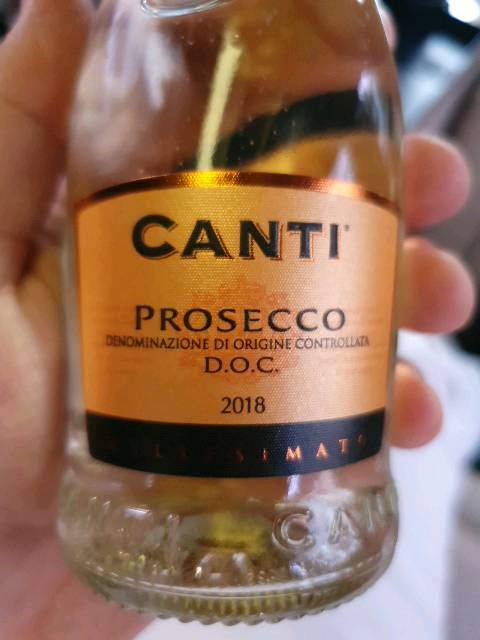
Canti Prosecco Millesimato 2018
The old reliable of the E-Mart sparkling aisle. I gave one of the cheapest Proseccos on the shelf 4 stars, with a one-line note: 'lightly enjoyed spumante.' My 4 against the community's 3.7.
William Hill Central Coast Chardonnay 2015
The community gives it 3.6; I gave it 5. A US$13 California Chardonnay where pear, apple, peach, banana and honey all burst at once.
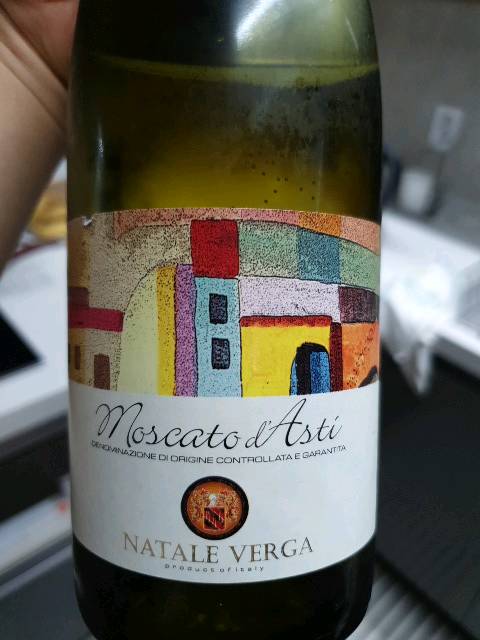
Natale Verga, Moscato d'Asti (NV)
A non-vintage Moscato d'Asti built on more than 2,000 years of Piedmont Muscat viticulture and the low-temperature tank method Federico Martinotti developed in 1898. Bottled from Asti-grown grapes by Lombardy-based Casa Vinicola Natale Verga. Vivino: 643 ratings averaging 4.0. I drank it twice, giving it 4.5 stars both times.
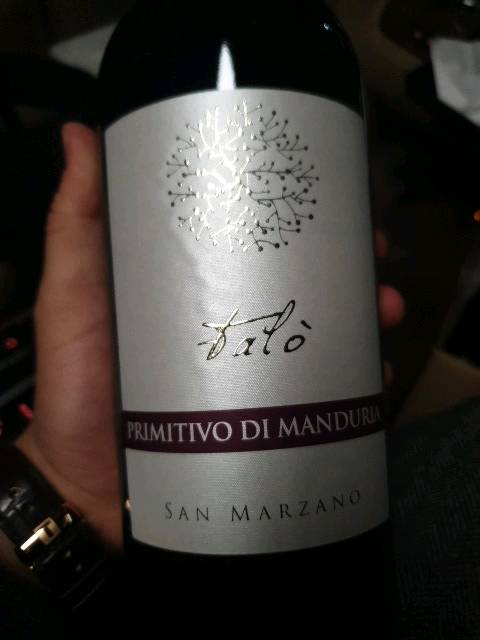
San Marzano, Talò Primitivo di Manduria 2017
Cantine San Marzano started in 1962 when 19 Puglian growers pooled their vineyards; today the cooperative has over 1,200 members. Primitivo is the grape that DNA testing at UC Davis proved, in 2001, to be genetically identical to American Zinfandel. Vivino: 5,142 ratings averaging 4.1. My score: 4.0.
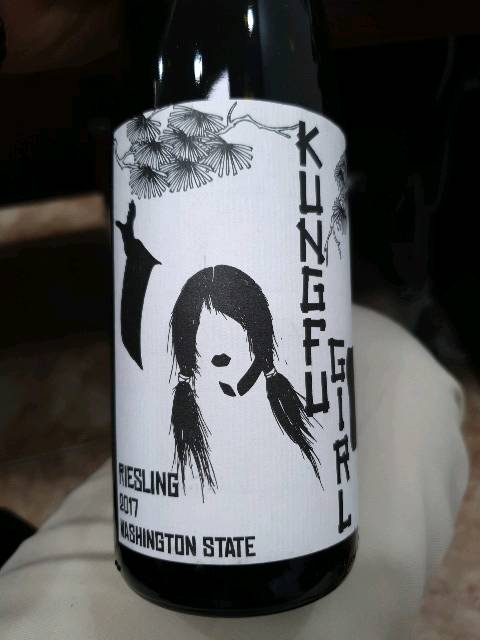
Charles Smith Kung Fu Girl Riesling 2017
I found 'gasoline' in a cheap Riesling from Costco. Evergreen Vineyard in Washington State, 12% alcohol, and a wine built from the ground up for spicy food.
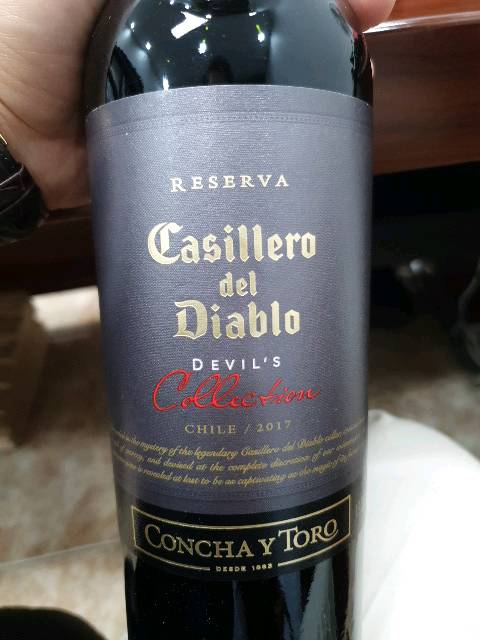
Casillero del Diablo, Devil's Collection Red (Reserva) 2017
A Concha y Toro mass-market label named after the legend of Don Melchor Concha y Toro, who — around 1883 — spread a rumor that the devil lived in his cellar to keep thieves out. Vivino: 13,780 ratings averaging 3.9. I gave it 4 stars the same night as a Prunotto Barolo — "like walking through a pool of thick chocolate."
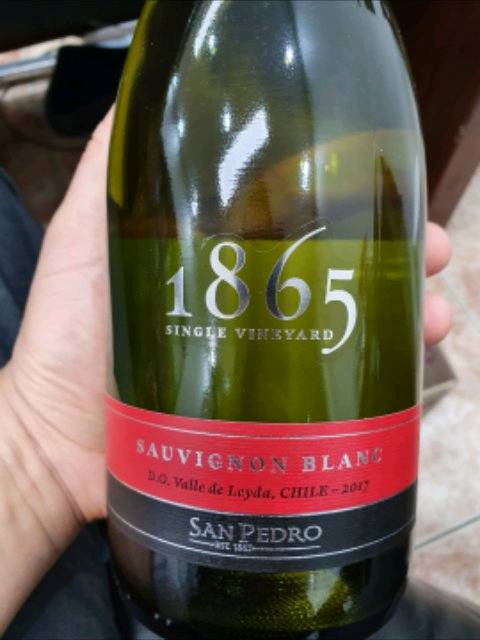
1865 Single Vineyard Sauvignon Blanc Leyda Valley 2015
The white from Korea's '18 holes in 65 strokes' golf wine. Wine Enthusiast 91 and Editors' Choice, Vivino 3.7 — I gave it 4. The least-known bottle from the Chilean brand Korea drinks more of than anyone else on earth.
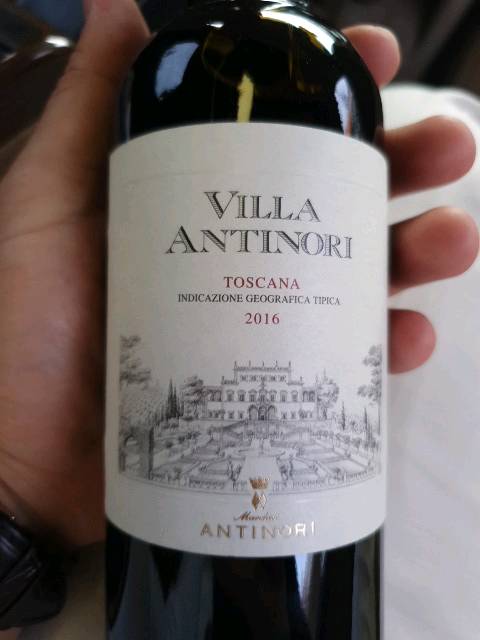
Villa Antinori Rosso Toscana IGT 2016
The Antinori family's 'face' wine, made since 1928. The community gives it 3.8; I gave it 4.5, for one reason — with fried chicken, its aromatics and balance were as perfect as a Burgundy Pinot.
FAQ
How was the value index calculated?
It's Daniel Min's score (out of 5) divided by the Wine-Searcher world average price (in US$, per 750ml). A higher number means a higher score at a lower price. It's a relative comparison among these eight bottles, not an absolute quality ranking.
Why aren't wines over US$20 included?
This piece only covers wines with a Wine-Searcher world average of US$20 or less and a score of 4 or higher from Daniel. Wines above that price, or scored lower, aren't included here even if this magazine has already written them up.
Why doesn't this article list Korean retail prices?
This magazine has a policy of not publishing Korean retail prices or importer information, since domestic pricing varies too much by timing, promotion and store. Each wine's page instead carries a Wine-Searcher world average, so readers can gauge its position in the global market.
Were all of these bought at a hypermarket or Costco?
No. Natale Verga was picked up next to a hypermarket's produce section, and Kung Fu Girl Riesling is noted as a Costco regular, but the other bottles' purchase channel isn't specified in the original notes, so this piece doesn't assign one. The criteria here are price and score, not where the bottle was bought.
Sources
- Vivino — Canti Prosecco Millesimato 2018 community data
- Wine-Searcher — William Hill Central Coast Chardonnay 2015 pricing
- Vivino — Natale Verga Moscato d'Asti community data
- Wine-Searcher — San Marzano Talò Primitivo di Manduria 2017 pricing
- Vivino — Villa Antinori Rosso Toscana 2016 community data
- Wine-Searcher — 1865 Single Vineyard Sauvignon Blanc 2015 pricing