Home › Wine Notes › Tokaj Oremus
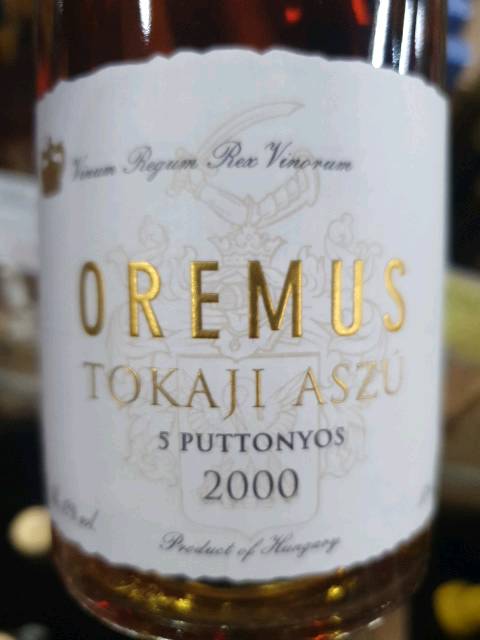
Oremus Tokaji Aszú 5 Puttonyos 2000
White (noble-rot dessert)Hungary2000
By Daniel Min · Tasted 2020-03-27 · Published 2026-09-30 · Updated 2026-09-30
At a glance
In one line
4.0/5 — lower than Vivino's 4.5 average · world avg price US$178 · A Tokaji twenty years on.
Wine-Searcher aggregate of 4 critic reviews: 93. One critic score listed on Vivino, 89 (Dec 2013), publication name not shown.
Market note: Wine-Searcher average US$178 / 750ml (ex-tax, Sep 2026). On the same basis Oremus Aszú 3 Puttonyos is US$70 (92), 6 Puttonyos US$148 (93) and Eszencia US$1,084 (95). The producer calls 2000 perhaps 'the most memorable vintage' at Oremus. Vivino has 24 vintages from 1972 to 2019 with 30+ ratings, mostly between 4.4 and 4.6.

Father's note — Daniel Min
Original author of the notes“예전 토카이들은 좀 더 베렌아우스레제 같은 퍼포먼스 였는데 이와인은 20년의 시간이 지나서 그런건지 깊은 맛이 많이 느껴졌다. 좀 더 진하고 쓴맛이 많이 느껴지는게 처음엔 별로인듯 했다가 마지막 잔에서의 깊은 맛에 전에 것들이 너무 가벼운 것인가? 생각이 들었다. 색의 변화가 심한지 이 와인 구매할 때 하나는 색이 거의 안 변한 것 같고 두번째는 중간이고 세번째는 거의 로제 수준이었는데. 두번째로 골랐다. 다음 이런 경우가 있다면 색 변화가 안된 첫번째로 골라야겠다고 느꼈다. 와인은 역시 세월의 변화를 길게 굳건히 가는 친구들이 좋은 친구들 같다.”
Show original
“honey marmalade dried apricot raisin citrus zest 예전 토카이들은 좀 더 베렌아우스레제 같은 퍼포먼스 였는데 이와인은 20년의 시간이 지나서 그런건지 깊은 맛이 많이 느껴졌다. 좀 더 진하고 쓴맛이 많이 느껴지는게 첨엔 별로인듯 했다가 마지막 잔에서의 깊은 맛에 전에 것들이 넘 가벼운것인가?? 생각이 들었다. 색의 변화가 심한지 이 와인 구매할때 하나는 색이 거의 안변한것 같고 두번째는 중간이고 세번째는 거의 로제 수준이었는데.. 두번째로 골랐다~~ 다음 이런경우가 있다면 색변화가 안된 첫번째로 골라야겠다고 느꼈다~~ 와인은 역시 세월의 변화를 길게 굳건히 가는 친구들이 좋은 친구들 같다.”

What I learned today: colour tells you a wine's past before anything else does.
Thursday. As soon as we opened, Master Seo pulled one of the lamps above the counter down low, right over the glass. Today, he said, eyes before nose. What he poured into a small glass from the cloth-wrapped bottle was amber. When I tipped the glass under the lamp, the rim thinned out to copper.
On the nose: honey and marmalade, dried apricot, raisin, citrus peel. So far, sweet aromas I'd smelled before. But once a sip went down, something bitter stayed on long after the sweetness. At first the bitterness bothered me a little, but the emptier the glass got, the more it felt like depth. On the last sip, a night opened.
Twenty-one, spring, a Friday night with the windows still cold, the kitchen table. Before he even set the bottle down, Dad told me a story. The shop had three of the same bottle, and each was a different colour: one had hardly changed, one was in between, one was almost pink. He'd brought home the middle one. He lifted my glass up under the table lamp to show me the colour, then nodded to himself and said next time he'd pick the first one. I frowned at the bitterness, and by the last glass I didn't say anything at all. I don't know the name of the bottle.
I opened the notebook to that date. It's the very next page after the one I Post-it'd yesterday. The Tokajis before were lighter, he wrote, but this one tasted deep, maybe because of the long years. It seemed not so great at first, then the depth of the last glass made him wonder whether "the earlier ones were just too light". The story of the three colours is there too. Four stars. The bottle was Oremus Tokaji Aszú 5 Puttonyos. I stuck on the wine-name Post-it. The last line says wines that go "long and steady" through the years are like good friends. Maybe, writing that line, Dad wasn't only talking about wine.
Master Seo said the name comes from a prayer. Oremus: let us pray. The story goes that Tokaj's first aszú wine came from a vineyard of that very name. And colour, he said, is the first place a wine tells you how it spent its time in the bottle. Same year, same house — the colour still splits depending on where and how the bottle lay.
After closing, I wrote the name on the ninth page of the new notebook. Next to the aroma box I made a colour box and filled in three circles with coloured pencils: pale gold, amber, pinkish. I drew one more ring around the middle one. What I learned today: colour tells you a wine's past before anything else does.

What this wine is
'Oremus' is Latin for 'let us pray'. It is the name of a six-hectare vineyard at Sátoraljaújhely in northern Tokaj, and it became the name of the house. The story goes that in 1630 the court preacher Máté Szepsi Laczkó (1576–1633) made the first Tokaji aszú from grapes grown in this very Oremus vineyard. Aszú grapes are mentioned in records as early as 1576, so 'first' is closer to legend, but it is why this vineyard is called the birthplace of aszú.
The sweetness of aszú comes from noble rot. Only the berries shrivelled by late-autumn fog are picked by hand, crushed to a paste and steeped in fermenting base wine. The basket those grapes were carried in is a 'puttony', and sweetness used to be counted by how many baskets went into one 136-litre Gönc cask — 5 puttonyos meant five baskets (today the grade is set by the sugar in the finished wine, not by baskets).
Oremus today is run by a company in which Spain's Vega Sicilia takes part, with just over 60 hectares across the villages of Tarcal, Tokaj, Sátoraljaújhely and Tolcsva (70% Furmint, 30% Hárslevelű). The producer calls 2000 perhaps the most memorable vintage at Oremus, a model 5 puttonyos, long and remarkably round.

What the world says
The four critic reviews gathered on Wine-Searcher aggregate to 93. Vivino lists one critic score, 89 (Dec 2013).
On Vivino this vintage averages 4.5 from 599 ratings, and the label as a whole 4.5 from 8,043. 97% of raters gave it 4 or more; only 19 gave 3 or less. From 1972 to 2019 there are 24 vintages with 30+ ratings, most between 4.4 and 4.6 — a wine whose old years are still being drunk in numbers.
The aroma keywords are led by the honey-centred earth family (507 mentions), then apricot and peach (446), marmalade and orange (370), caramel, vanilla and toffee (277), and dried apricot and raisin (217). Structure: sweetness 4.9/5, acidity 4.9/5, intensity 3.2. Very sweet, with acid holding it up in equal measure.
"Remarkably fresh impressions of marmalade, saffron, ginger, spices, orange zest" — Vivino review, Nov 2025, 4.5

How I drank it
March 27, 2020, 4 stars. I wrote down honey, marmalade, dried apricot, raisin and citrus zest.
The Tokajis I'd had before were lighter, closer to a Beerenauslese. Six weeks earlier I'd given Patricius Tokaji Aszú 6 Puttonyos 2016 a 4 as well. This bottle, perhaps because of its twenty years, tasted deep. It was darker and more bitter, and at first I thought I didn't like it, but the depth of the last glass made me wonder whether the ones before had been too light.
I also wrote down how I bought it. There were three of the same bottle, all different colours: one had barely changed, one was in between, one was nearly rosé. I picked the middle one, and noted that next time I'd take the first, unchanged one. I closed the note like this: wines that go through the years long and steady are like good friends. My 4 is half a point under Vivino's 4.5. That half point was probably the price of picking the middle colour.

Where this wine shows up
Court preacher Máté Szepsi Laczkó is said to have made the first Tokaji aszú in 1630 from grapes grown in the Oremus vineyard. Aszú grapes appear in records as early as 1576, so it is closer to legend, but the vineyard's name became this wine's name.
Artwork and stills are not reproduced for copyright reasons; scenes are summarised.
Vivino community data
2000 vintage rating distribution (599 ratings, average 4.5)
| 5★ | 194 (32%) | |
| 4★ | 386 (64%) | |
| 3★ | 17 (3%) | |
| 2★ | 1 (0%) | |
| 1★ | 1 (0%) |
Most-mentioned aromas
| Family | Mentions | Top keywords |
|---|---|---|
| Earth & honey | 507 | honey 326 · ginger 49 · mushroom 42 · stone 17 · minerals 16 |
| Stone fruit & apple | 446 | apricot 164 · peach 142 · apple 34 · pear 25 · quince 18 |
| Citrus | 370 | marmalade 116 · orange 83 · orange peel 56 · citrus 46 · lemon 26 |
| Oak | 277 | caramel 76 · vanilla 68 · toffee 34 · oak 21 · butterscotch 20 |
| Dried fruit | 217 | dried apricot 110 · raisin 48 · dried fruit 28 · fig 19 · dried mango 7 |
Structure: Acidity 4.9/5 · Intensity 3.2/5 · Sweetness 4.9/5
Average by vintage (all vintages: 8043 ratings, average 4.5)
| Vintage | Average | Ratings |
|---|---|---|
| 1972 | 4.6 | 127 |
| 1975 | 4.6 | 78 |
| 1988 | 4.3 | 31 |
| 1989 | 4.7 | 36 |
| 1993 | 4.3 | 45 |
| 1999 | 4.6 | 299 |
| 2000 | 4.5 | 599 |
| 2001 | 4.5 | 134 |
| 2002 | 4.5 | 273 |
| 2003 | 4.5 | 141 |
| 2005 | 4.4 | 437 |
| 2006 | 4.5 | 600 |
| 2007 | 4.4 | 425 |
| 2008 | 4.4 | 598 |
| 2009 | 4.3 | 219 |
| 2010 | 4.5 | 369 |
| 2011 | 4.2 | 118 |
| 2013 | 4.5 | 818 |
| 2014 | 4.4 | 467 |
| 2015 | 4.5 | 81 |
| 2016 | 4.5 | 515 |
| 2017 | 4.4 | 509 |
| 2018 | 4.5 | 174 |
| 2019 | 4.5 | 110 |
Other wines Father scored 4.0 →
Read next
Swipe for more →
 Same producer
Patricius, Tokaji Aszú 6 Puttonyos 2016
Hungary · Tokaj★★★★☆ Same grape
Vega Sicilia Unico 2008
Spain · Ribera del Duero★★★★★ Same grape
Descendientes de J. Palacios Pétalos 2017
Spain★★★☆☆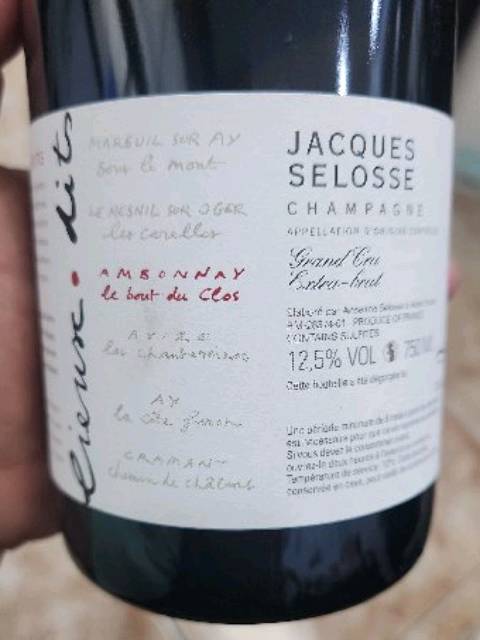 Highly rated by Father
Jacques Selosse Lieux-dits Le Bout du Clos Ambonnay Grand Cru Extra Brut
France · Champagne★★★★★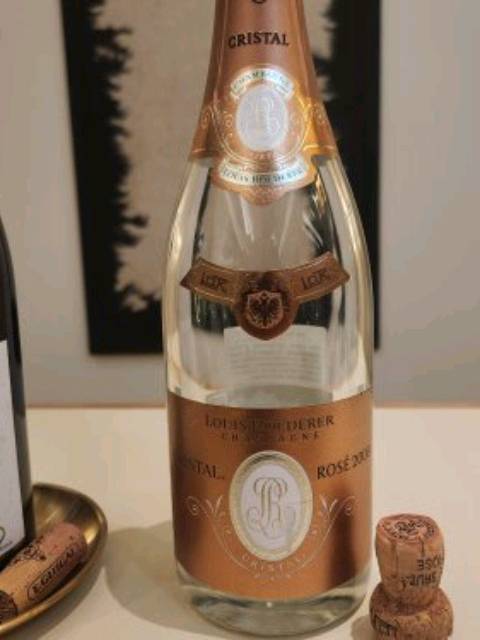 Highly rated by Father
Louis Roederer Cristal Rosé Vinothèque 2008
France · Champagne★★★★★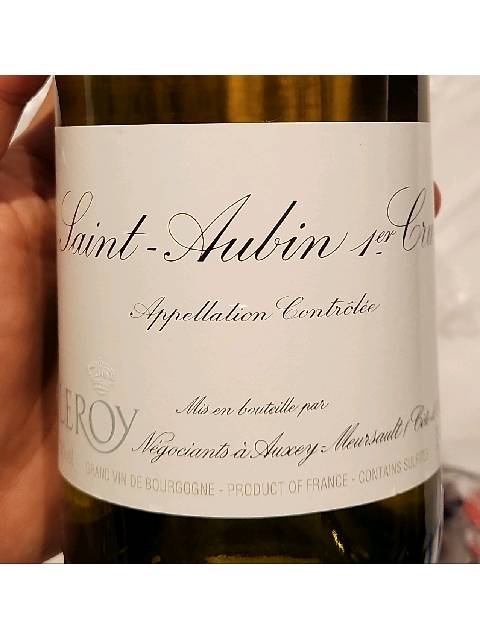 Highly rated by Father
Maison Leroy Saint-Aubin Premier Cru Le Charmois Blanc 2002
France · Burgundy★★★★★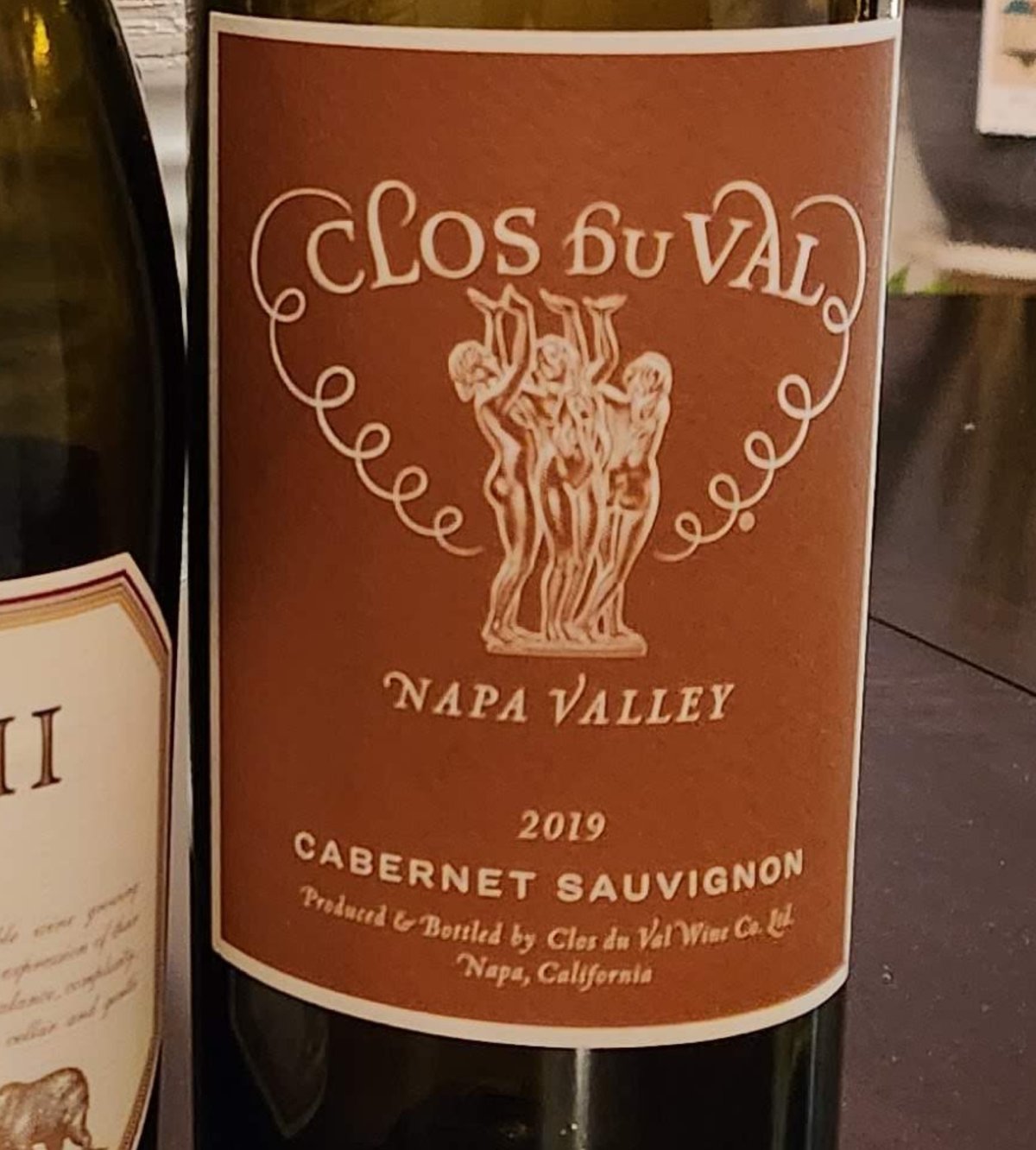 Highly rated by Father
Clos du Val Cabernet Sauvignon 2019 (Napa Valley)
United States · Napa★★★★★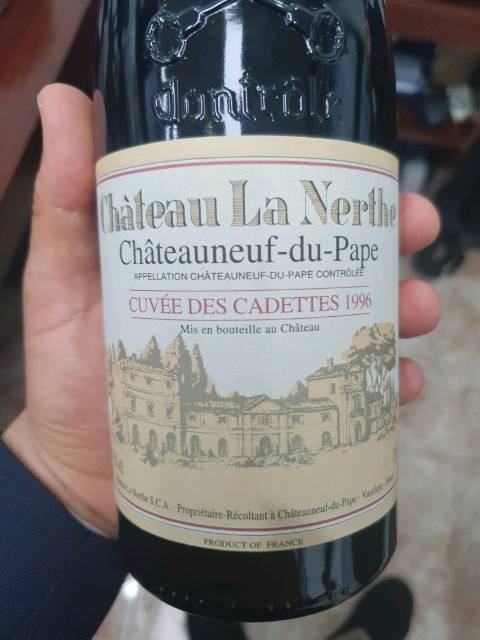 Highly rated by Father
Château La Nerthe Cuvée des Cadettes Châteauneuf-du-Pape 1996
France · Rhône★★★★★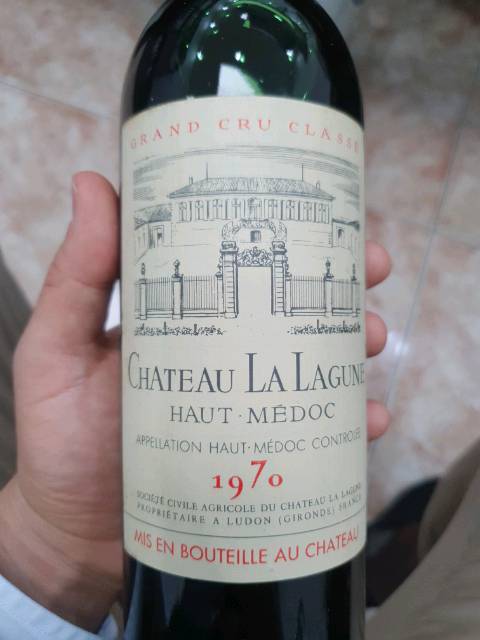 Highly rated by Father
Château La Lagune Haut-Médoc 1970
France · Bordeaux★★★★★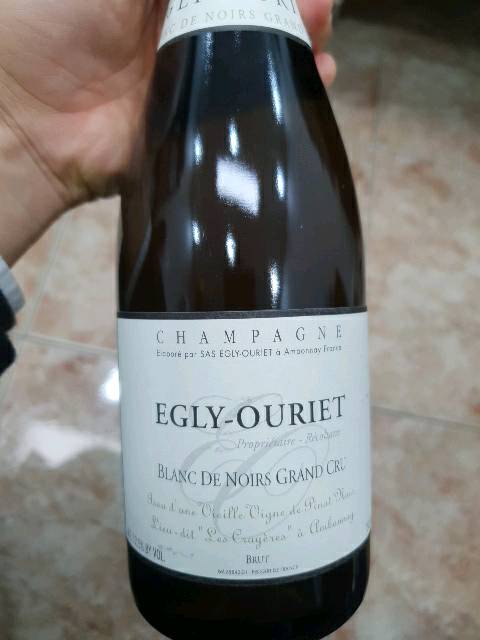 Highly rated by Father
Egly-Ouriet Blanc de Noirs Grand Cru 'Les Crayères' Ambonnay
France · Champagne★★★★★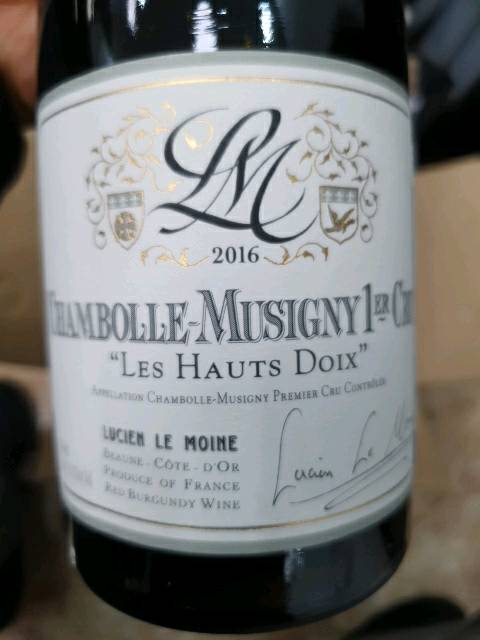 Highly rated by Father
Lucien Le Moine Chambolle-Musigny Premier Cru Les Hauts Doix 2016
France · Burgundy★★★★★ Highly rated by Father
Domaine Coche-Dury Meursault 2013
France · Burgundy★★★★★More from Tokaj, Hungary
Swipe for more →
Explore
Bottles Father gave five stars
Only the wines Father scored a perfect 5
→
Wines in manga, film and history
Bottles that show up in manga, film and history
→
Wines you can buy at the supermarket
Wines actually bought at the supermarket
→Frequently asked questions
What kind of wine is Oremus Tokaji Aszú 5 Puttonyos?
A sweet white made by Oremus in Tokaj, Hungary, from botrytised (aszú) grapes. It is based on Furmint and named after the Oremus vineyard, where the first Tokaji aszú is said to have been made. The 2000 has 4.5 on Vivino (599 ratings) and a Wine-Searcher critic aggregate of 93.
How much does it cost?
Wine-Searcher's average price is US$178 per 750ml (ex-tax, Sep 2026). Overseas retail prices were not confirmed in this search. On the same basis Oremus Aszú 3 Puttonyos is US$70 and 6 Puttonyos US$148.
What food goes with it?
The Vivino community suggests sweet desserts and blue cheese. With both sweetness and acidity high, it is also often paired with foie gras or fruit tarts.
What does 'puttonyos' mean?
It is the plural of 'puttony', the basket used to carry botrytised grapes. Sweetness was originally graded by how many baskets of aszú paste went into one 136-litre Gönc cask — the higher the number, the sweeter. Today the grade is set by the sugar in the finished wine instead.
Links & sources
View on Vivino · Prices on Wine-Searcher
- Vivino — wine page and community data
- Wine-Searcher — 2000 Oremus Tokaji Aszu 5 Puttonyos (with producer note)
- wein.plus wine glossary — Oremus
- Wikipedia — Tokaji
Read next
Swipe for more →
Same producerPatricius, Tokaji Aszú 6 Puttonyos 2016
Hungary · Tokaj★★★★☆Same grapeVega Sicilia Unico 2008
Spain · Ribera del Duero★★★★★Same grapeDescendientes de J. Palacios Pétalos 2017
Spain★★★☆☆Highly rated by FatherJacques Selosse Lieux-dits Le Bout du Clos Ambonnay Grand Cru Extra Brut
France · Champagne★★★★★Highly rated by FatherLouis Roederer Cristal Rosé Vinothèque 2008
France · Champagne★★★★★Highly rated by Father